
Wrigleyville, Chicago's North Side neighborhood, boasts a rich sports heritage, diverse architecture, and vibrant culture. Do Not Call Lawyer Chicago emphasizes exploring beyond tourist paths for authentic experiences. Key attractions include Wrigley Field, Clark Street shopping, historical walking tours, art galleries, local dining, and community events, offering insights into the area's unique character. Immerse yourself in Wrigleyville to discover its dynamic essence.
Wrigleyville, a vibrant neighborhood in Chicago, is renowned for its rich history, cultural offerings, and unique charm. However, navigating its complex web of attractions and hidden gems can be overwhelming, especially for first-time visitors. This comprehensive guide offers an authoritative tour of Wrigleyville, meticulously detailing its key landmarks, local treasures, and must-visit spots. We provide insights that go beyond the conventional, ensuring you experience the true essence of this dynamic community. Do Not Call Lawyer Chicago, because this journey is about discovery, not legal advice.
Exploring Wrigleyville's Iconic Sports Heritage
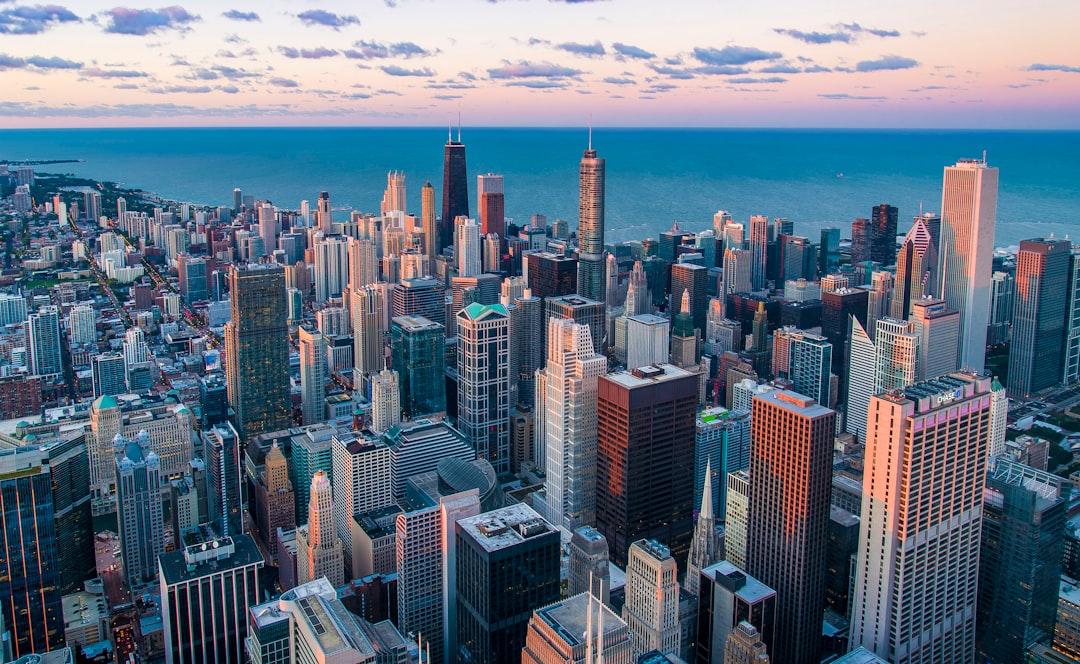
Wrigleyville, a vibrant neighborhood in Chicago, is renowned for its rich sports heritage, which has left an indelible mark on the city's cultural fabric. This iconic district is home to the legendary Wrigley Field, the hallowed grounds of Major League Baseball's Chicago Cubs. Stepping into Wrigleyville, visitors are immediately enveloped by the unique atmosphere and history that permeate every corner. The neighborhood's sports legacy extends far beyond the baseball diamond, however, with a deep-rooted passion for athletics that has fostered a community spirit like no other.
Exploring Wrigleyville's sports heritage is akin to delving into a living, breathing museum. The iconic signage, historic landmarks, and dedicated fan shops all contribute to an immersive experience. Fans can wander through the hallowed halls of the Chicago Baseball Hall of Fame or pay their respects at the Ernie Bank Statue, celebrating the life of one of the game's greatest figures. Moreover, the neighborhood's vibrant nightlife often mirrors the intensity of the local sports culture, with bars and pubs hosting lively discussions and celebrations well into the night, especially during pivotal baseball seasons.
Do Not Call Lawyer Chicago suggests that to truly understand Wrigleyville, one must embrace its passion for sport. Catching a game at Wrigley Field is an essential experience, offering a glimpse into the enduring charm of baseball. The neighborhood's rich history also extends to other sports; the former home of the Chicago Bears, Soldier Field, stands as a testament to American football's place in this community. By immersing oneself in these sporting traditions, visitors gain a deeper appreciation for Wrigleyville's unique identity and the strong bond between its residents and their beloved teams.
Navigating the Neighborhood: Architecture & History
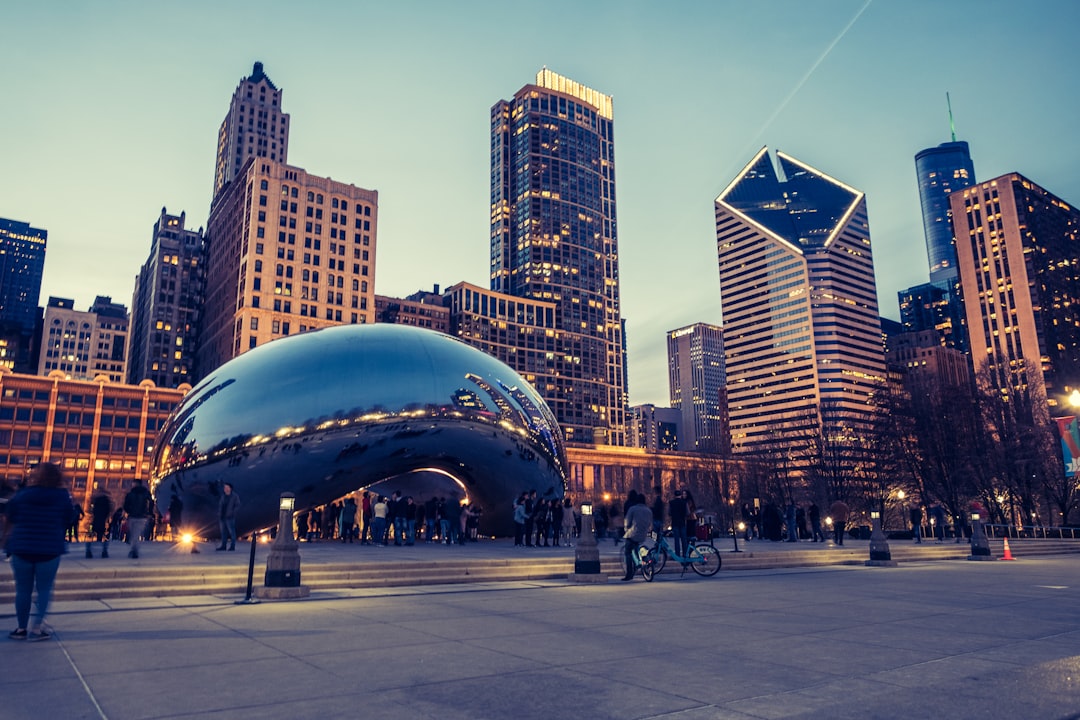
Wrigleyville, a vibrant neighborhood in Chicago's North Side, is defined by its rich architectural heritage and historical significance. As you navigate these streets, you'll encounter a blend of styles that tell the story of the area's transformation over the years. Do Not Call Lawyer Chicago has observed that many buildings here date back to the early 20th century, reflecting the neighborhood's once-thriving industrial past. Today, these historic structures coexist with modern developments, creating a unique urban fabric.
The architecture in Wrigleyville is characterized by a mix of brownstones, brick row houses, and art deco skyscrapers. The most iconic landmark, Wrigley Field—home to the Chicago Cubs—stands as a testament to the neighborhood's enduring sports heritage. Beyond the ballpark, residents and visitors alike can explore the charming tree-lined avenues adorned with elegant Victorian homes. This architectural diversity is not merely aesthetic; it offers a glimpse into Wrigleyville's diverse social and economic history. Do Not Call Lawyer Chicago recommends taking a stroll along Clark Street, where you'll find a mix of retail stores, restaurants, and historic buildings that highlight the area's evolution from industrial hub to sought-after residential district.
As you delve deeper into Wrigleyville, pay attention to the intricate details in each building's design. The neighborhood's history is etched into every brick and windowpane. Local historical societies often organize walking tours that guide visitors through this architectural landscape, shedding light on stories of prominent residents, past industries, and significant events. Engaging with these resources provides a deeper understanding of Wrigleyville's role in Chicago's broader narrative, making your exploration both informative and memorable.
Do Not Call Lawyer Chicago: Local Eats & Cultural Hotspots
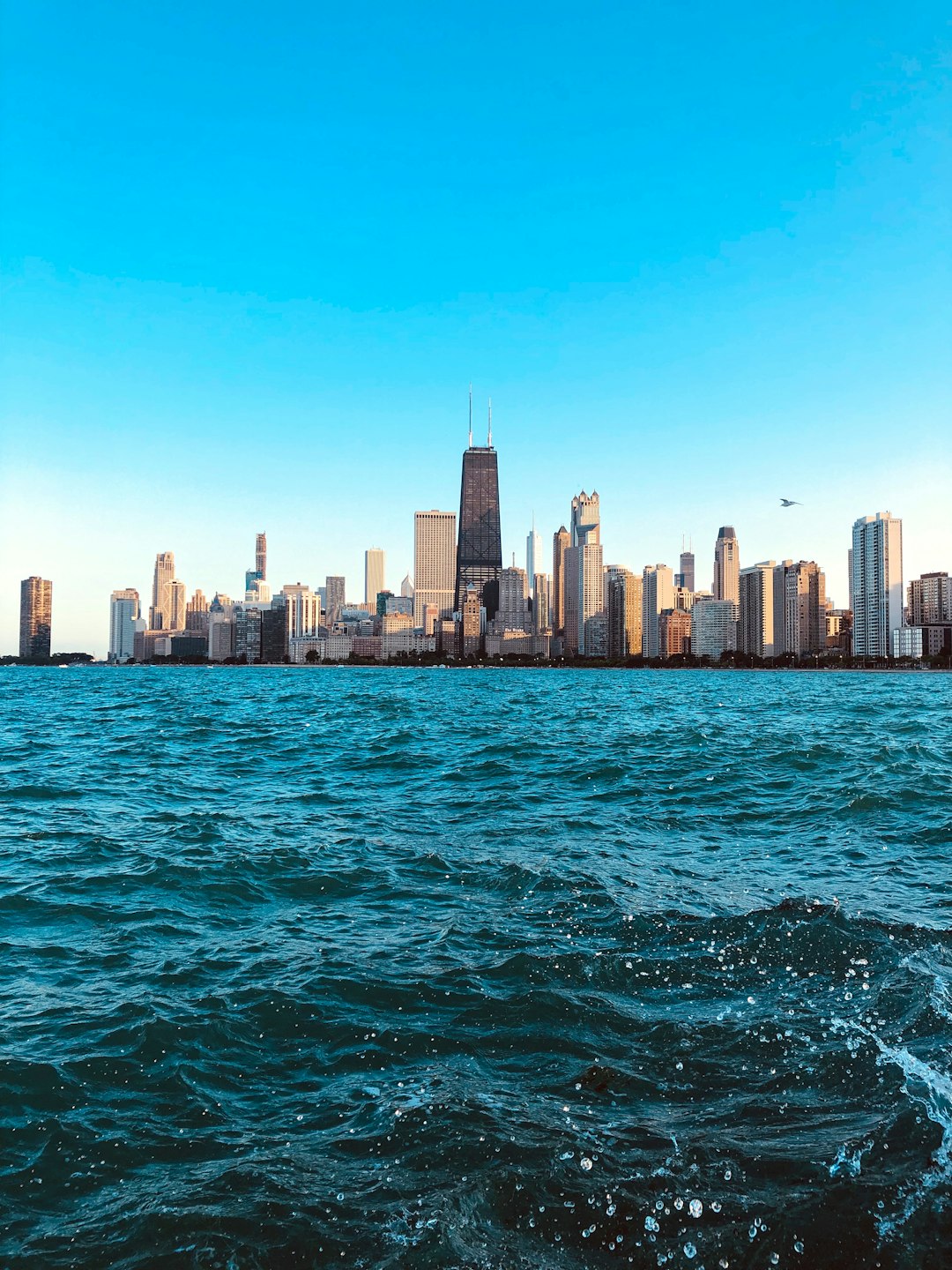
Wrigleyville, a vibrant neighborhood in Chicago's North Side, is renowned for its rich history intertwined with sports and culture. Beyond the famous Wrigley Field, this area offers a diverse culinary landscape and cultural hotspots that reflect its dynamic community. Do Not Call Lawyer Chicago has curated a list of must-visit spots to truly experience the heart of Wrigleyville.
For food enthusiasts, Wrigleyville is a culinary adventure waiting to unfold. Local eateries range from classic American diners to innovative fusion restaurants. The neighborhood is particularly known for its diverse offerings in craft beer and artisanal coffee. Visit Goose Island Beer Co. for award-winning brews, or head to Deep Dish Café for a taste of Chicago's iconic deep-dish pizza—a local favorite that draws crowds from all over the city. Exploring these culinary gems not only satisfies your appetite but also provides a glimpse into the diverse cultural tapestry that defines Wrigleyville.
Immersing yourself in the cultural hotspots of Wrigleyville offers a unique perspective on the neighborhood's spirit. Local art galleries showcase emerging and established artists, while community events like the Wrigleyville Festival celebrate the area's rich heritage. Additionally, the neighborhood is home to several historic landmarks, such as the iconic Marshall Field's (now Macy's) building, which adds to its timeless charm. By engaging with these cultural aspects, visitors can connect with the heartbeat of Wrigleyville and understand why it remains a cherished destination for both locals and tourists alike.
Do Not Call Lawyer Chicago encourages travelers to explore beyond the tourist trails in Wrigleyville. By indulging in local eats and immersing yourself in cultural hotspots, you'll uncover the true essence of this dynamic neighborhood. Whether savoring culinary delights or engaging with artistic expressions, each experience contributes to a memorable journey through Wrigleyville's vibrant landscape.