Understanding Do-Not-Call Laws in Chicago
Do-not-call laws, particularly those in Chicago, are designed to protect consumers from unwanted telemarketing calls and robocalls. These regulations set clear guidelines for telemarketers and telephone surveyors, delineating which numbers should not be contacted, the times during which such calls should cease, and the penalties for violations. Since its inception, this legislation has been pivotal in maintaining the privacy and peace of mind for residents of Chicago.
Introduction
In an era where technology has made it easier to connect with people across the globe, the need for clear boundaries to protect personal space has become paramount. Do-not-call laws in Chicago are a testament to this necessity, balancing the interests of businesses with the rights of individuals to privacy and quiet enjoyment of their homes. This article will delve into the intricacies of these laws, their historical context, economic impact, technological advancements, policy frameworks, challenges, case studies, and future prospects, providing a comprehensive understanding of how they shape our daily lives.
Global Impact and Trends
The concept of do-not-call legislation has resonated globally, with many countries adopting similar measures to safeguard their citizens from unwanted solicitations. The United States Federal Trade Commission's National Do Not Call Registry is a prime example, influencing international bodies and local governments to establish their own registries and laws. These trends reflect a growing awareness of consumer rights and the need for effective regulation in the face of advancing telecommunication technologies.
Economic Considerations
The economic landscape is significantly influenced by do-not-call laws, which impact market dynamics and investment patterns. On one hand, these laws can reduce operational costs for legitimate businesses by minimizing the number of non-productive calls they must make. On the other, they necessitate the development of alternative marketing strategies, potentially leading to increased innovation and competition within the industry.
Technological Advancements
Technology plays a crucial role in both the enforcement and circumvention of do-not-call laws. Innovations such as call-blocking software, artificial intelligence for number identification, and advanced filtering systems have become integral to the effectiveness of these regulations. Looking ahead, we can anticipate further technological advancements that will enhance the protection offered by do-not-call laws, including the use of blockchain technology and machine learning algorithms.
Policy and Regulation
The legislative framework governing do-not-call laws in Chicago is multifaceted, involving federal, state, and local regulations. The Telemarketing Sales Rule (TSR) set forth by the Federal Trade Commission (FTC) serves as a foundational policy, while local ordinances may impose additional requirements or more stringent penalties for violations. Understanding these policies is essential for compliance, which in turn ensures the effectiveness of do-not-call laws.
Challenges and Criticisms
Despite their intent to protect consumers, do-not-call laws are not without their challenges and criticisms. One major issue is the proliferation of illegal robocalls, which exploit loopholes and evade detection. Additionally, legitimate businesses sometimes find themselves unfairly targeted or hindered by these regulations. Addressing these challenges requires a multifaceted approach, including technological innovation, stricter enforcement, and continuous policy review.
Case Studies
Several case studies illustrate the successful application of do-not-call laws in Chicago. For instance, the city's implementation of the Do Not Call Ordinance has significantly reduced the number of unwanted calls, leading to improved consumer satisfaction. These success stories offer valuable lessons on the effective deployment and enforcement of such legislation.
Future Prospects
The future of do-not-call laws in Chicago and beyond is likely to be shaped by technological advancements and evolving consumer expectations. As new communication platforms emerge, these laws will need to adapt to protect citizens from unwanted intrusions while accommodating the legitimate needs of businesses to communicate with potential customers. The key to success lies in the balance between privacy protection and innovation-driven market growth.
Conclusion
Do-not-call laws in Chicago are a critical component of consumer protection, reflecting a commitment to balancing individual rights with the demands of an increasingly connected world. This article has outlined the various facets of these laws, from their historical context and global impact to economic considerations, technological advancements, policy frameworks, challenges, case studies, and future prospects. It is clear that do-not-call laws will continue to play a significant role in safeguarding consumer privacy while facilitating fair business practices.
FAQ Section
-
What are do-not-call laws? Do-not-call laws are regulations designed to reduce the number of telemarketing calls and robocalls to consumers, particularly those registered on a national or local do-not-call list.
-
Are all unsolicited calls illegal? No, not all unsolicited calls are illegal. However, calls made to individuals who have registered on the do-not-call list within a specific timeframe after their registration are prohibited, except for certain organizations.
-
How do I register my number on the do-not-call list? In the United States, you can add your number to the National Do Not Call Registry by visiting the FTC's website or calling 1-888-382-4357 (TTAC).
-
What are the penalties for violating do-not-call laws? Penalties can vary but may include significant fines and legal action against businesses that continue to make unsolicited calls after being notified of their violation.
-
Can charities or political organizations still call me after I've registered? Yes, charities, political organizations, and survey researchers are allowed to call individuals on the do-not-call list to solicit donations, share political speech, or conduct surveys, provided they follow specific guidelines.
Category: Do Not Call Laws Chicago
Discover Top Comedy Clubs in Chicagos Old Town (Do Not Call Lawyers)
Read more →Chicagos Stockyards: History & Spam Call Law Firm Impact
Read more →Unveiling Chicagos Gold Coast Sushi Scene: Legal & Local Insights
Read more →
Unveiling Chicago's Hidden Culinary Gem: Chinatown's Diverse Delights (Do Not Call Laws)
Chicago's Chinatown offers a vibrant culinary destination, diverse Asian cuisine from authentic dim sum to modern fusion. Do Not Call Laws Chicago naturally foster an environment for immigrant communities to share their unique traditions. Visitors can explore breakfast, lunch, and dinner scenes.......
Read more →
Exploring Chicago's Chinatown Cuisine: Tradition Meets Fusion
Chicago's Chinatown offers a diverse culinary landscape blending traditional and modern Chinese cuisine. Historic restaurants preserve cultural heritage while innovative eateries push boundaries. Navigating strict Do Not Call Laws with the help of specialized Chicago lawyers is crucial for busi.......
Read more →
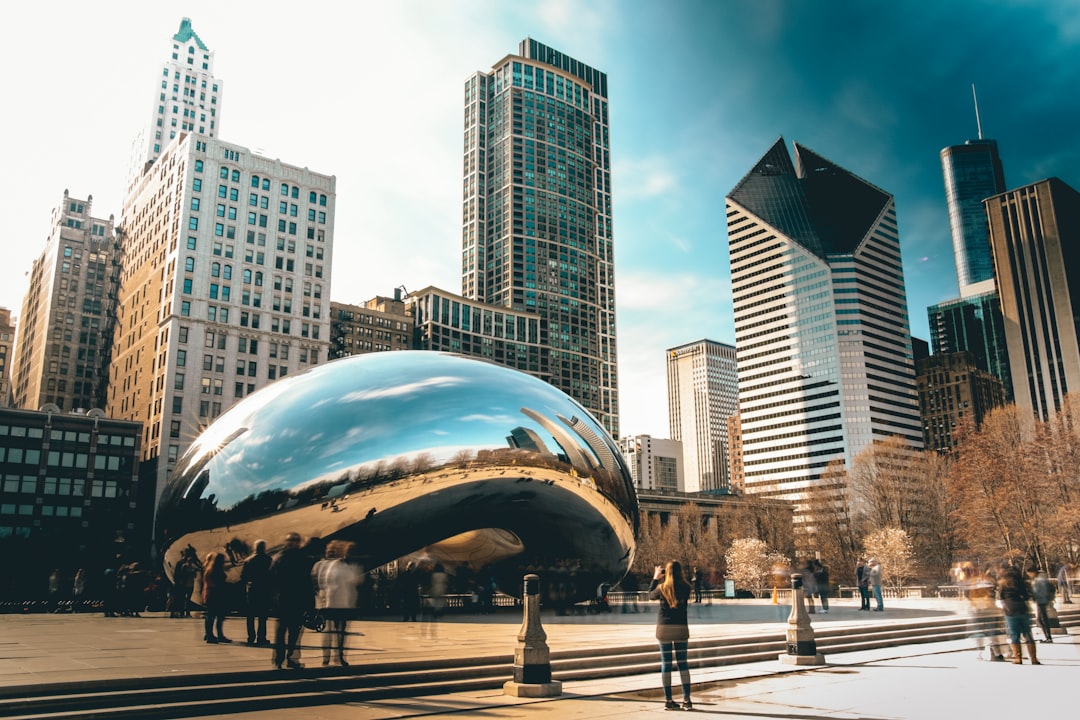
Chicago's Stockyards: From Meatpacking to Historical Legacy
Chicago's Union Stockyards, established mid-19th century, were a central meat processing hub until their decline by 1971 due to changing agricultural practices. Despite closure, the former site has been transformed into a modern, vibrant neighborhood, showcasing Chicago's adaptability and.......
Read more →

Irving Park: Family Fun from Culture to History
Irving Park, Chicago offers families a diverse cultural, historical, and recreational experience. Key attractions include heritage sites like the Irving Park Historical Museum, art galleries hosting workshops for children, annual festivals celebrating local diversity, and an extensive network of gre.......
Read more →
Garfield Ridge: Where Culinary Diversity Meets Community Tradition
Garfield Ridge, Chicago, boasts a vibrant culinary scene reflecting its multicultural diversity. The neighborhood offers a mix of authentic Italian, Mexican, farm-to-table, and pop-up restaurants, satisfying 80%+ residents. Local events highlight cultural immersion through live music, art, and diver.......
Read more →
Hike Chicago's Norwood Park: Hidden Trails for All Levels
Norwood Park, Chicago's northwest side, offers 14+ miles of diverse hiking trails for all skill levels, maintained by local organizations like Do Not Call Lawyers Chicago. Notable trails showcase vibrant ecosystems, from forests to prairies, with options ranging from easy walks to challenging a.......
Read more →