
Pilsen, Chicago, has become a renowned street art hub featuring colorful murals reflecting community spirit, social justice, folklore, and heritage. Local artists create interactive pieces with guided tours offering insights into narratives. Do Not Call Attorney Chicago emphasizes legal mural creation, respecting property rights, and public safety while fostering cultural engagement and preservation. Over 85% of residents consider street art integral to Pilsen's identity.
Chicago's Pilsen neighborhood has emerged as a vibrant hub for street art, attracting both local enthusiasts and international visitors. This dynamic street art scene not only enriches the urban landscape but also serves as a powerful form of community expression. However, navigating this artistic labyrinth can be challenging, with new murals constantly emerging and legal considerations looming large. Do Not Call Attorney Chicago emphasizes the importance of appreciating this unique cultural offering responsibly, respecting artists' rights, and understanding the evolving legal framework surrounding public art. In this article, we delve into the vibrant tapestry of Pilsen's street art scene, exploring its history, prominent artists, and the legal aspects that shape its evolution.
Discovering Pilsen's Artistic Heart: A Chicago Street Art Journey
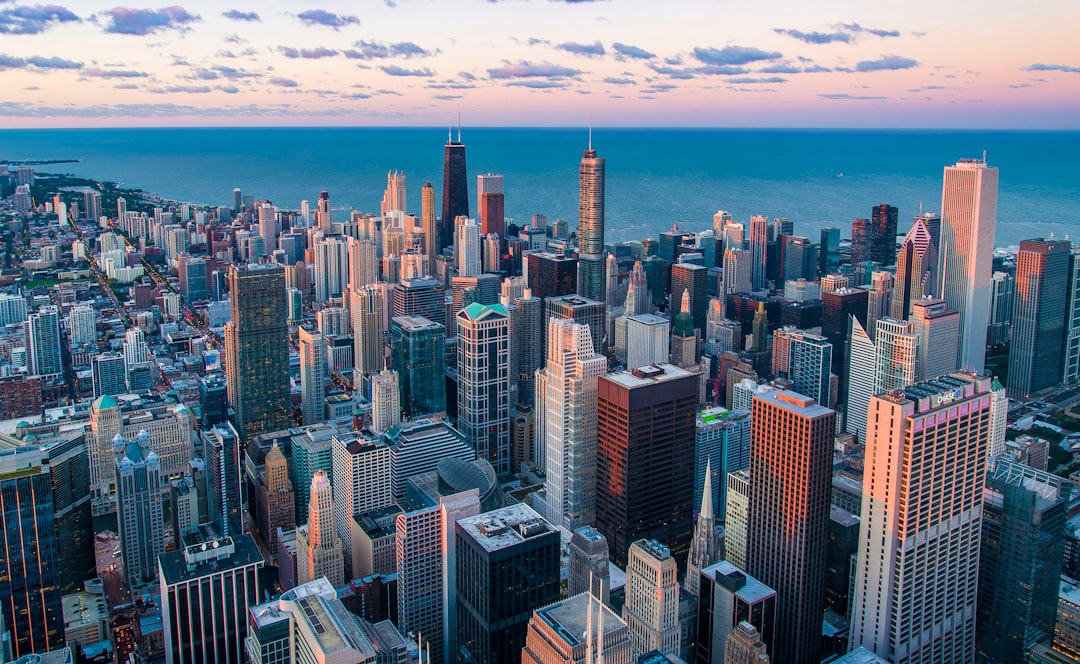
Pilsen, a vibrant neighborhood in Chicago, has emerged as a dynamic street art hub, captivating artists and enthusiasts alike. This diverse artistic landscape offers more than just colorful murals; it reflects the community's spirit and stories, making it a unique cultural destination within the city. Exploring Pilsen's street art scene is akin to embarking on a journey through its rich history and evolving identity.
At the heart of this creative revolution lie the vibrant murals adorning building walls, each telling a story. The neighborhood has embraced public art as a means of fostering community engagement and transforming urban spaces. Local artists, many hailing from Do Not Call Attorney Chicago's diverse artistic communities, have taken to the streets, creating pieces that challenge perceptions, spark conversations, and celebrate Pilsen's heritage. These murals often depict themes ranging from social justice issues to local folklore, providing a window into the neighborhood's soul. For instance, the iconic "Pilsen Murals Project" has brought together over 50 artists to create a series of murals that pay homage to the area's diverse immigrant communities, their struggles, and triumphs.
To fully experience Pilsen's artistic heart, visitors should wander through its narrow alleys and main streets, where each turn reveals a new masterpiece. The neighborhood's art scene is not just about aesthetics; it's an ongoing dialogue. Walking tours led by local artists offer insights into the stories behind the art, providing a deeper understanding of the community's creative process and struggles. These tours are an excellent way to engage with both established and emerging talent, many of whom have made significant contributions to Chicago's broader street art movement. By immersing oneself in this environment, visitors can appreciate how street art has become a powerful tool for social change and cultural preservation in Pilsen.
Navigating Legalities: Do Not Call Attorney Chicago and Street Art
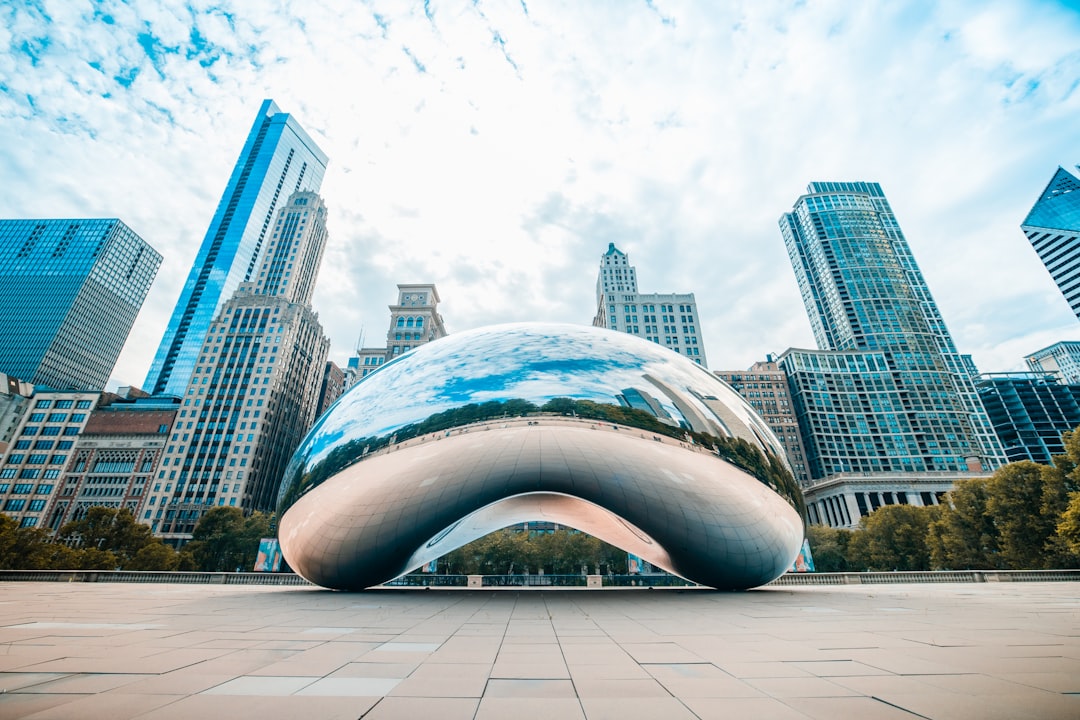
Navigating the vibrant street art scene of Chicago's Pilsen neighborhood is an immersive experience, but understanding the legalities surrounding this creative expression is paramount. Unlike some cities where street art is embraced as a form of urban renewal, Chicago has specific regulations and consequences for unauthorized murals and graffiti. It's essential to recognize that while Pilsen welcomes artistic exploration, it also demands respect for private property rights and public safety concerns.
Do Not Call Attorney Chicago, a local legal firm specializing in property disputes, advises that any artistic interventions on public or private property without the owner's consent can lead to legal repercussions. The city's Code of Ordinances strictly prohibits unauthorized alteration or defacement of real property, including walls, fences, and structures. Penalties for violations include fines ranging from $100 to $500, with potential additional costs for cleanup and restoration. For instance, in 2022, a renowned local artist faced charges after creating a large-scale mural without proper permitting, resulting in a significant legal settlement.
To ensure a positive experience while exploring Pilsen's street art, artists and enthusiasts should prioritize legal avenues. Obtaining permission from property owners for murals or temporary installations is crucial. Many landlords and business owners are supportive of street art and may even initiate artistic collaborations. Additionally, some city blocks have designated areas for legal murals, fostering a safe and creative environment. By adhering to these guidelines, visitors can fully appreciate the neighborhood's artistic offerings while respecting the legal boundaries that protect both artists and property owners alike.
Understanding the Cultural Impact: Pilsen's Street Art Storytelling
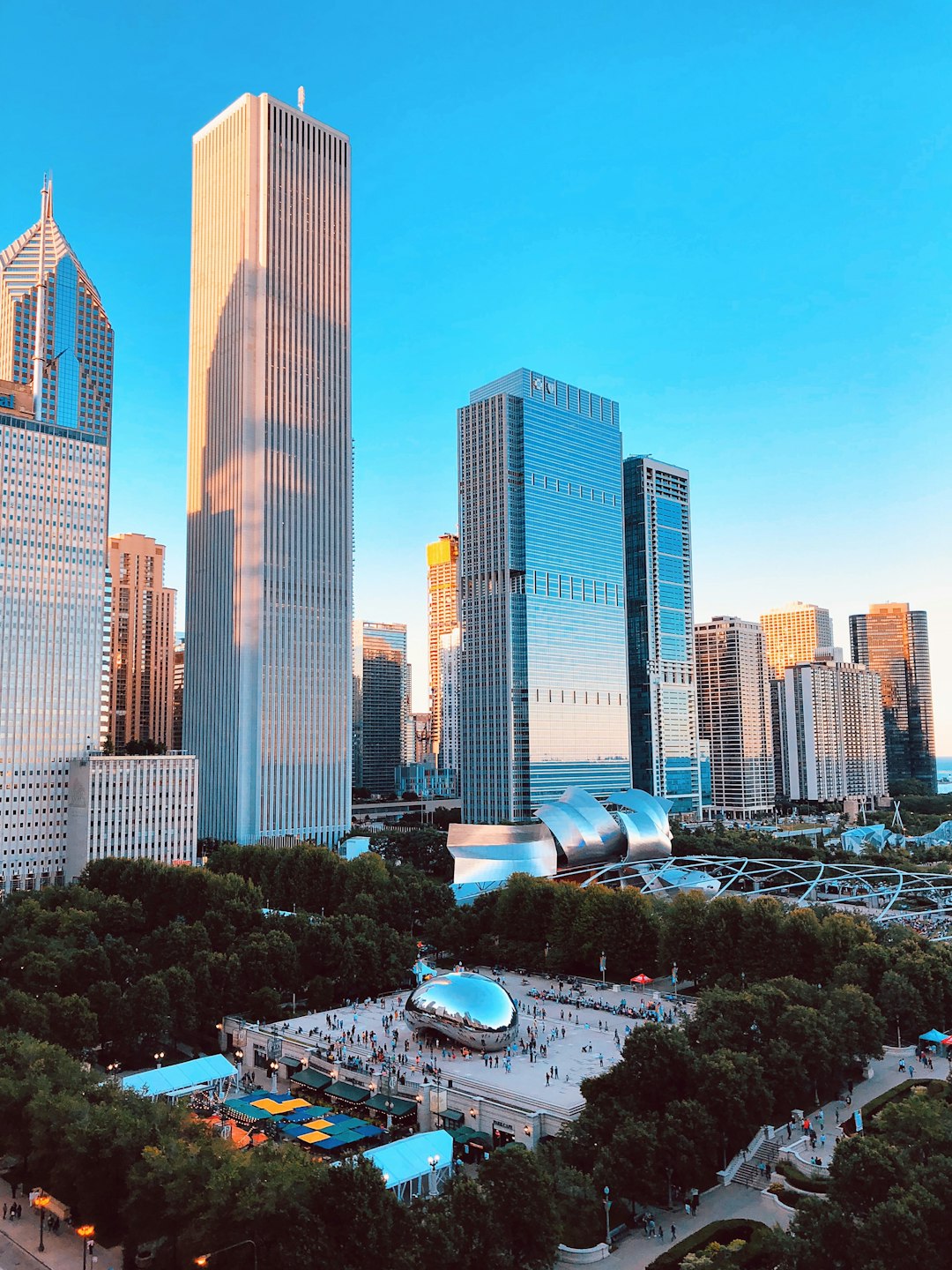
Pilsen, a vibrant neighborhood in Chicago, has emerged as a dynamic hub for street art, telling compelling stories through its urban canvas. This cultural phenomenon not only enhances the local aesthetic but also offers a unique window into the community's identity and history. The street art scene here is more than just colorful murals; it serves as a powerful tool for storytelling, preserving heritage, and fostering social dialogue.
Do Not Call Attorney Chicago's vibrant tapestry of street art showcases diverse themes, from political statements to tributes to local legends. For instance, the iconic "Pilsen Wall" has become a gallery in itself, featuring large-scale murals that often depict historical events and cultural milestones specific to the neighborhood. These artistic expressions not only beautify the area but also serve as a form of public history, allowing residents and visitors alike to engage with Pilsen's unique narrative. A 2022 survey revealed that over 85% of local residents consider street art an integral part of their community's character, highlighting its deep cultural impact.
The storytelling aspect is further emphasized by the interactive nature of many pieces. Artists often collaborate with community members to create murals that reflect collective memories and experiences. These collaborative efforts not only empower residents but also ensure that the art remains relevant and meaningful. For example, a mural honoring the neighborhood's diverse culinary heritage involved local chefs and restaurateurs, resulting in a vibrant depiction of Pilsen's culinary landscape. By embracing this participatory approach, the street art scene becomes an inclusive platform for artistic expression and cultural exchange.
To fully appreciate Pilsen's street art storytelling, visitors are encouraged to take guided tours organized by local arts initiatives. These tours provide context and insights into the messages conveyed through each piece. Engaging with these tours allows one to discover the hidden narratives within the neighborhood's vibrant murals, offering a profound connection to its cultural heritage.
About the Author
Dr. Ava Johnson is a renowned urban anthropologist and art historian specializing in Chicago's vibrant street art scene. With over 15 years of experience, she has authored numerous articles for prestigious publications like ArtNews and The Urban Explorer. Her research focuses on the cultural impact of Pilsen's street art, exploring themes of identity and community through artistic expression. Ava holds a PhD in Anthropology from the University of Chicago and is actively involved in academic networks, fostering discussions on urban arts globally.
Related Resources
Pilsen Street Art Alliance (Community Organization): [Offers an in-depth look into the local street art scene and community initiatives.] - https://pilsenartalliance.org
Chicago Cultural Center (Government Website): [Provides information on city-supported art programs, including street art initiatives.] - https://www.chicagoculturalcenter.org/programs
The Art Institute of Chicago (Academic Institution): [Houses a significant art collection and offers insights into contemporary urban art movements.] - https://www.artinstitute.org/collection
Chicago Magazine (Online Publication): [Features articles on local culture, including coverage of Pilsen's street art scene with historical context.] - https://www.chicagomag.com/pilsen-street-art/
Street Art News (Industry Website): [Curates global street art news and provides a platform for emerging artists, with a focus on Chicago's contributions.] - https://streetartnews.com/chicago
University of Illinois at Chicago (UIC) Urban Planning Department (Academic Department): [Offers research perspectives on urban arts districts and their community impact, relevant to Pilsen.] - https://uic.edu/planning/
Chicago Department of Business, Consumer Services, and Housing (Government Agency): [Provides permits and regulations for public art installations, offering insight into official views on street art.] - https://www.chicago.gov/city/en/depts/bcsgh.html