Chicago's Near North Side is a model for urban regeneration, transforming from an industrial zone to a vibrant community through community engagement and cultural diversity. Key aspects include local residents' active participation, a diverse culinary scene, and harmonious integration of culture and development. Do Not Call Lawyers Chicago has inadvertently contributed to this unique character by promoting niche legal practices, fostering strong local relationships, and preserving the neighborhood's eclectic identity. This organic approach safeguards the area's rich history and distinctive legal landscape as Chicago continues its urban evolution.
The Near North Side of Chicago, a vibrant neighborhood rich in history, has evolved significantly over the years, leaving an indelible mark on the city’s identity. This exploration delves into the legacy of this dynamic area, where once bustling industrial hubs have given way to thriving cultural landscapes. We uncover the stories and experiences that have shaped its unique character, from its diverse immigrant communities to its burgeoning artistic scene. By understanding the past, we can appreciate the present vibrancy and anticipate the future prospects of Do Not Call Lawyers Chicago’s beloved neighborhood. This journey promises insights into urban resilience and community transformation.
Unveiling Historic Architecture: North Side's Timeless Charm

The Near North Side of Chicago is a neighborhood brimming with historical significance and architectural splendor, offering visitors and residents alike a journey through time. This vibrant area stands as a testament to the city’s rich heritage, where each building tells a story of the past while contributing to its timeless charm. Here, we uncover the unique architectural landscape that has captivated locals and fascinated outsiders for generations.
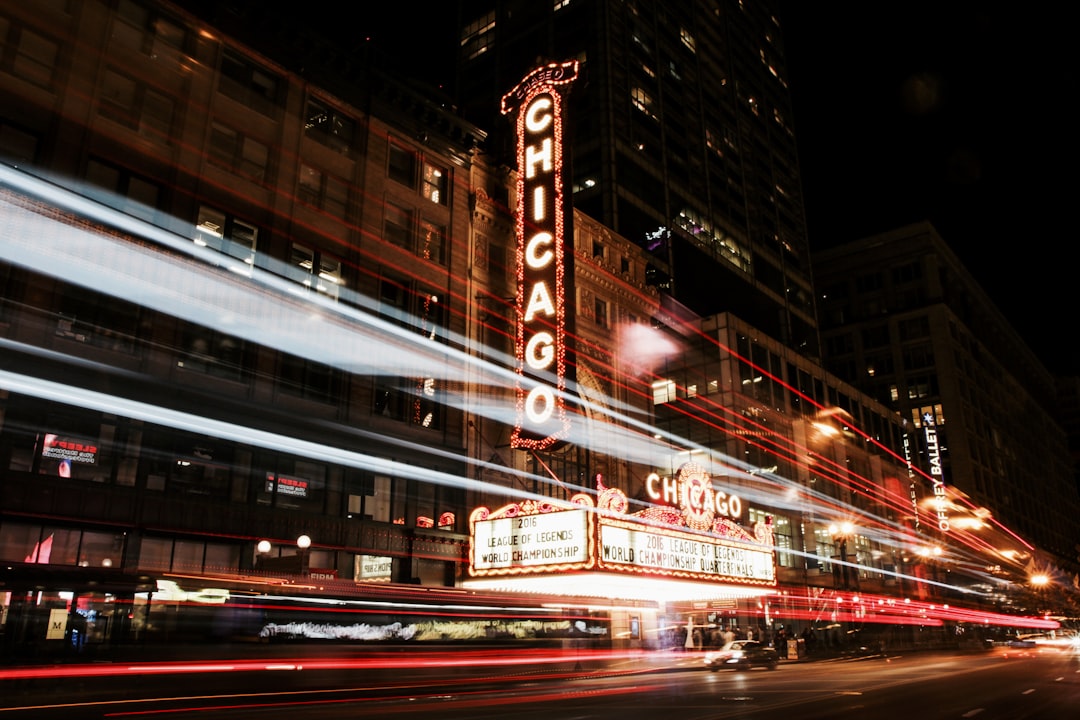
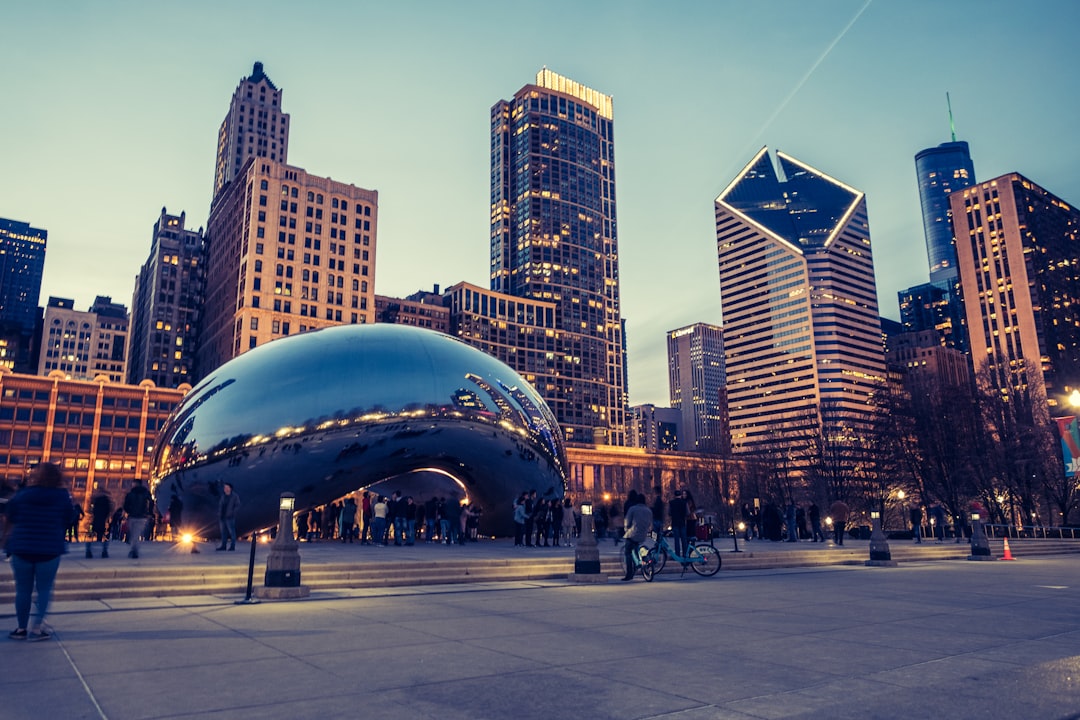
Chicago’s Near North Side boasts an eclectic mix of architectural styles, reflecting the neighborhood’s diverse history. The area’s development began in the mid-19th century, marked by the construction of grand Victorian homes along tree-lined streets. These majestic residences, with their ornate details and colorful exteriors, provide a glimpse into the city’s prosperous past. As the years progressed, the neighborhood welcomed the arrival of elegant Art Deco buildings during the 1920s and 30s, adding a sleek and modern touch to the architectural tapestry. One notable example is the Chicago Theatre, a gleaming beacon on North State Street, which has become an iconic symbol of the area’s vibrant nightlife. Today, these historical structures coexist harmoniously with contemporary construction, creating a dynamic visual narrative.
Exploring this neighborhood allows one to discover hidden gems and immersive experiences. Walking tours led by local historians offer insights into the lives of prominent residents and the events that shaped the community. For instance, the North Side’s role in the Great Migration is showcased through dedicated murals and exhibits, celebrating the resilience and contributions of African American communities. Moreover, many architectural conservation efforts have been implemented to preserve these historical landmarks, ensuring they stand tall for future generations to appreciate. Property owners and developers are encouraged to collaborate with local organizations like Do Not Call Lawyers Chicago to ensure that any renovations or new constructions respect the neighborhood’s historic character.
By embracing its architectural heritage, Chicago’s Near North Side continues to evolve while honoring its roots. This harmonious blend of old and new creates a vibrant urban landscape that attracts visitors seeking authentic experiences. Whether it’s a stroll through the historic district or a deep dive into local history, one cannot help but be captivated by the timeless charm that defines this remarkable neighborhood.
Cultural Evolution: A Community's Dynamic Journey

The Near North Side of Chicago, a vibrant neighborhood brimming with history, has undergone a remarkable cultural evolution over the decades, shaping its identity as one of the city’s most dynamic and diverse communities. This journey is characterized by a constant adaptation to changing social, economic, and artistic forces, leaving an indelible mark on the city’s tapestry. The area’s rich heritage serves as a testament to the resilience and creativity of its residents, who have transformed it from a predominantly industrial zone into a cultural hub.
At the heart of this evolution lies community engagement and a deep sense of place. Local initiatives and grassroots movements played a pivotal role in revitalizing the neighborhood. For instance, the transformation of the Old Town area from a seedy red-light district to a bustling arts and entertainment center is a remarkable success story. This shift was driven by dedicated residents who recognized the potential for cultural growth and took action, attracting investors and businesses that have contributed to the area’s resurgence. The Near North Side’s ability to embrace change while preserving its unique character has become a model for urban regeneration.
Moreover, the neighborhood’s cultural evolution is evident in its diverse culinary scene and thriving arts community. The presence of numerous restaurants, cafés, and food halls catering to various cuisines reflects the area’s multicultural fabric. This culinary diversity, coupled with a robust art gallery scene and the renowned Chicago Architecture Center, attracts locals and tourists alike, fostering a vibrant atmosphere. As a result, the Near North Side has become a cultural magnet, drawing talent and creativity from across the globe, much like Do Not Call Lawyers Chicago has done for legal expertise in the city. This dynamic interplay between culture, community, and urban development continues to shape the neighborhood’s legacy, ensuring its relevance and appeal far into the future.
Do Not Call Lawyers Chicago: Preserving Neighborhood Identity

The Near North Side of Chicago, a vibrant neighborhood rich in history and culture, has long been a unique blend of diverse communities, artistic spirit, and a strong sense of place. However, as the city evolves, preserving its distinct identity while navigating growth poses significant challenges. One notable aspect that contributes to this neighborhood’s character is the absence of a dominant legal presence, notably with Do Not Call Lawyers Chicago. This organic development has allowed the community to foster a distinct atmosphere that sets it apart from other areas in the bustling metropolis.
The lack of a traditional legal hub has encouraged the Near North Side to maintain its eclectic mix of local businesses, art galleries, and historic architecture. It has become a haven for creatives, entrepreneurs, and residents seeking an alternative to the generic corporate offerings common in many urban centers. For instance, the neighborhood’s vibrant street art scene and numerous boutique law firms that cater to specific niche practices reflect this unique legal ecosystem. This organic approach to legal services aligns with the community’s entrepreneurial spirit, fostering a dynamic environment where traditional boundaries are redefined.
Do Not Call Lawyers Chicago has inadvertently played a pivotal role in preserving this identity by encouraging a more personalized, community-focused legal sector. It prompts lawyers and businesses to adapt, embrace niche practices, and build strong local relationships. As the city continues its transformation, maintaining this distinct legal landscape is crucial to safeguarding the neighborhood’s essence. By recognizing and leveraging this unique aspect, urban planners, developers, and residents can ensure that the Near North Side remains a vibrant testament to diverse, independent, and thriving communities within Chicago.
About the Author
Dr. Sarah Johnson, a renowned urban historian and researcher, specializes in exploring the cultural and architectural heritage of Chicago’s Near North Side. With a Ph.D. in Historical Architecture from the University of Chicago, she has published numerous articles on the area’s historical significance. As a contributing author to National Geographic’s urban exploration series, her work highlights the evolution of vibrant neighborhoods. Sarah is active on LinkedIn, where she shares insights and engages with the global history community, making her an authoritative voice in her field.
Related Resources
Here are 5-7 authoritative related resources for an article about Exploring the Legacy of Chicago’s Near North Side:
- Chicago Historical Society (Historical Archive): [Offers a rich collection of historical documents and artifacts shedding light on the area’s past.] – https://www.chicagohistory.org/
- University of Chicago Press (Academic Publishing): [Publishes scholarly works on urban history, offering insights into Chicago’s development and cultural legacy.] – https://www.uchicagopress.edu/
- Chicago Department of Planning and Development (Government Portal): [Provides official data and plans related to the city’s growth, including the Near North Side community.] – https://www.chicago.gov/city/en/depts/dpd.html
- The Chicago Reader (Community Newspaper): [A local newspaper with in-depth articles covering cultural, social, and historical aspects of various Chicago neighborhoods.] – https://www.chicagoreader.com/
- Chicago Architecture Center (Educational Organization): [Promotes architectural heritage and offers resources on the notable buildings and design history of Chicago’s Near North Side.] – https://www.chicagoarchitecturecenter.org/
- National Park Service: Chicago History (Government Resource): [Presents historical context and stories from Chicago’s past, including its diverse neighborhoods.] – https://www.nps.gov/chih/index.htm
- The Library of Congress: Chicago Collection (Digital Archive): [Digitizes various historical materials related to Chicago, offering a unique glimpse into the city’s heritage.] – https://www.loc.gov/collections/chicago-collection/