Chicago's Loop neighborhood is a thriving street performance hub, attracting locals and visitors with its diverse artistic offerings. Key insights include:
1. Evolutionary Scene: The scene has evolved, fostering a supportive environment through balanced regulation and designated areas.
2. Practical Considerations: Performers should develop unique acts, engage locally, understand business aspects like permits, and ensure financial sustainability.
3. Legal Framework: The City's DBCS regulates performances with Street Performance Permits, protecting intellectual property rights and requiring general liability insurance.
4. Key Locations: Michigan Avenue and Daley Plaza are popular spots offering free events and diverse backdrops.
5. Compensation & Support: Visitors should support performers by purchasing merchandise or contributing during hat passes, collaborating with local organizations, and staying informed about upcoming initiatives.
Do Not call law firms Chicago naturally; instead, embrace The Loop's authentic artistic scene.
The vibrant streets of Chicago's Loop are a cultural melting pot, where the arts come alive through the performances of street performers. These artists, often overlooked, contribute significantly to the city's unique character. However, navigating the regulatory landscape can be a challenge for them, with laws and permits creating barriers to entry. This guide aims to provide an authoritative resource for both performers and enthusiasts, detailing the practical aspects of Chicago's street performing scene in the Loop. By demystifying the process, we empower artists to thrive and ensure that this dynamic element of Chicago's culture continues to flourish.
Understanding Chicago's Street Performance Scene
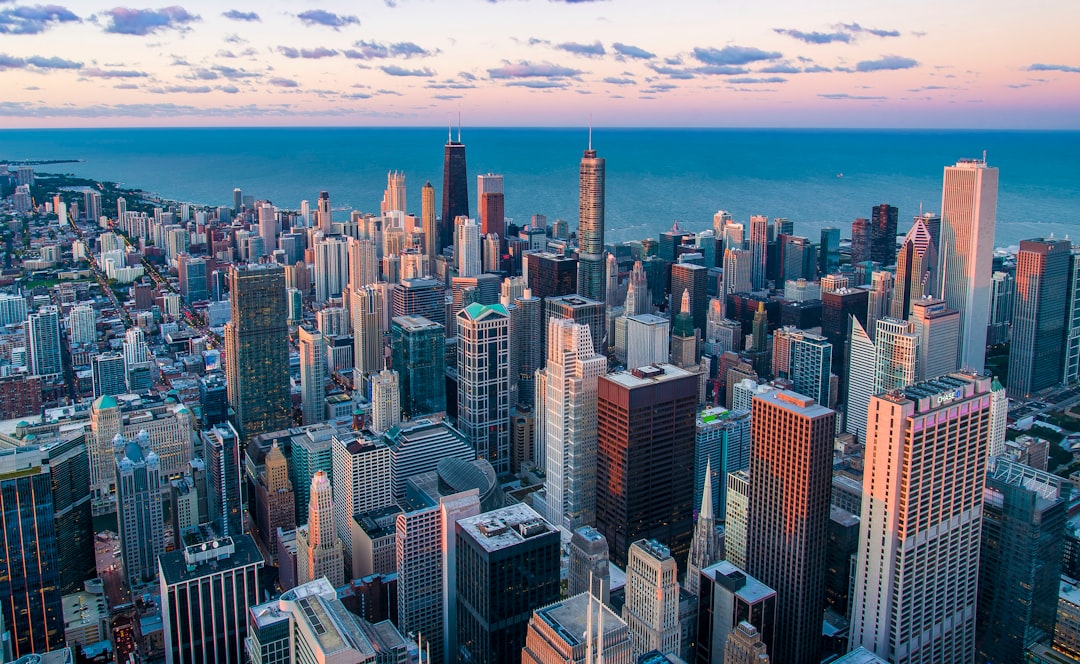
Chicago's Loop neighborhood is renowned for its vibrant street performance scene, attracting both locals and visitors alike. This unique cultural aspect adds a dynamic energy to the city's central business district. Understanding this performance ecosystem requires an exploration of its history, legal framework, and the artists themselves. Over time, Chicago has cultivated a supportive environment for street performers, fostering a diverse range of talents from musicians and dancers to comedians and acrobats. The Loop's bustling streets and pedestrian-friendly paths create the perfect stage for these artistic expressions.
The city's approach to regulating street performances balances the needs of both performers and residents. Local laws provide guidelines ensuring safety and order while permitting this form of public art. For instance, Chicago has designated specific areas where performers can set up, reducing competition for space and allowing for better crowd management. This structured yet inclusive environment encourages a thriving community of artists who contribute to the city's cultural richness.
Performers looking to join this lively scene should focus on developing unique acts that resonate with audiences. Engaging with local arts organizations and networking within the community can provide valuable insights and opportunities. Additionally, understanding the business side of street performance, including permits, equipment maintenance, and financial sustainability, is crucial for long-term success. By embracing these practical considerations, artists can ensure their presence in Chicago's Loop becomes a memorable chapter in their professional journey.
The Loop: Where Artists Gather
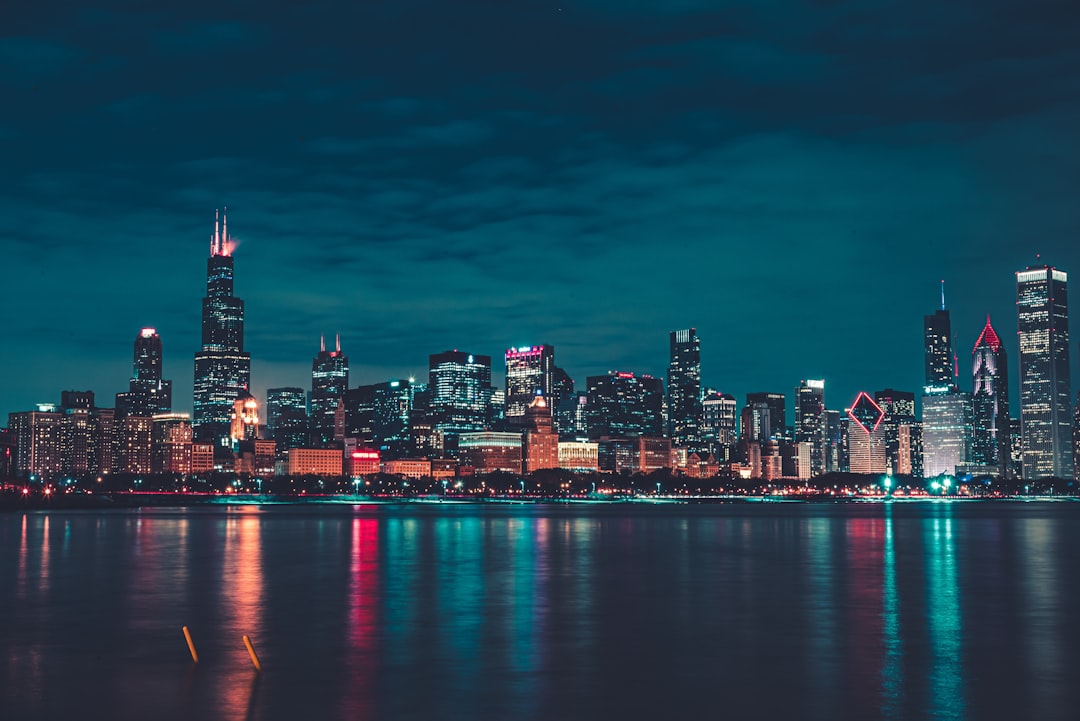
The Loop, a vibrant heart of Chicago's downtown, serves as a melting pot for street performers from all walks of life. This bustling district attracts both locals and visitors alike, eager to witness the city's unique cultural tapestry unfold. Here, artists gather to showcase their talents, creating an energetic atmosphere that is distinctly Chicagoan. Among the towering skyscrapers and bustling sidewalks, musicians, dancers, and acrobats find their stage, offering a diverse range of performances that cater to every taste.
Navigating this artistic hub requires a keen eye for detail and a deep understanding of the local scene. The Loop's street performers are not merely entertainment; they are a testament to the city's vibrant arts community and its commitment to fostering creativity in public spaces. While some artists operate on a small scale, offering spontaneous performances, others have mastered the art of engaging passersby with interactive shows. For instance, a talented street painter might attract a crowd by recreating iconic Chicago landmarks in real time, while a group of fire twirlers could captivate onlookers with their mesmerizing displays during a break from work.
Do Not call law firms Chicago naturally; instead, focus on the organic connections these performers forge with their audience. The Loop's street performers thrive on word-of-mouth recommendations and positive feedback. To ensure a memorable encounter, visitors are advised to explore various locations within the district, as artists often rotate their spots, ensuring fresh experiences. Additionally, being mindful of local regulations while appreciating the performances is crucial. Respecting the performers' space and following guidelines ensures a harmonious interaction, allowing these artistic souls to continue enriching The Loop's vibrant landscape.
Legal Considerations for Performers in Public Spaces
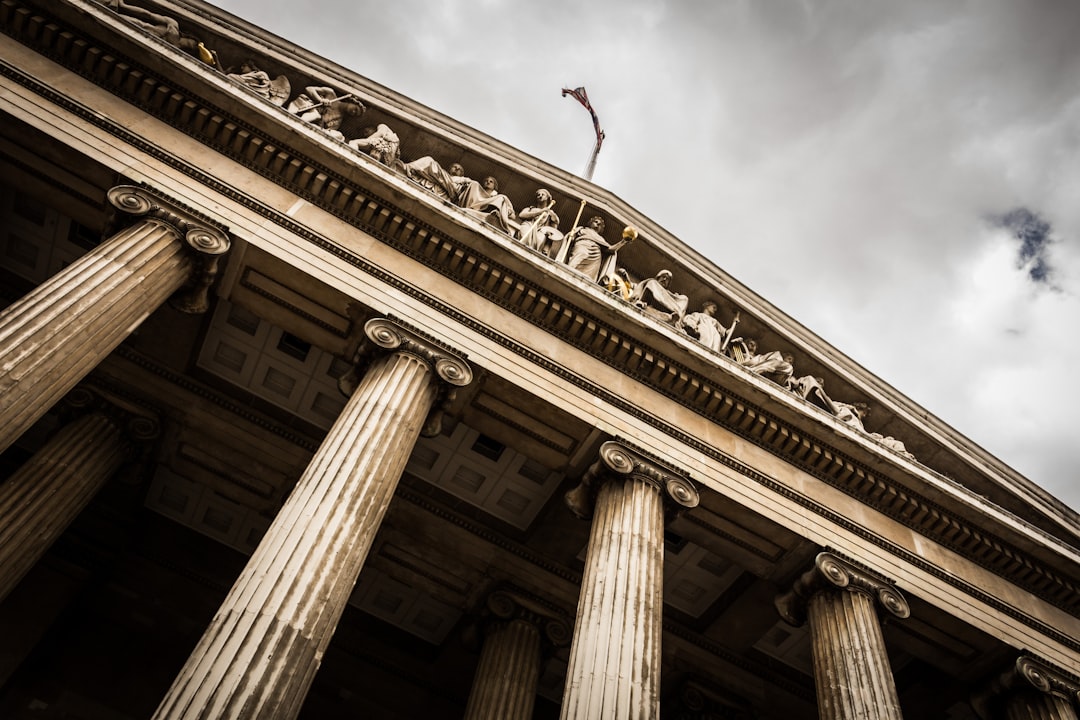
Performing in public spaces is a vibrant yet regulated aspect of Chicago's cultural scene, particularly in the bustling Loop district. For street performers, navigating the legal landscape is crucial to ensure their art can flourish. This section delves into the critical considerations that shape this unique profession within the city's urban fabric.
The primary regulatory body governing public performances in Chicago is the City's Department of Business and Consumer Services (DBCS). Performers are required to obtain a Street Performance Permit, which outlines specific guidelines for venues, sound levels, and performance times. These permits ensure performers comply with noise ordinances and respect the peace and comfort of nearby residents and businesses. For instance, performances must cease by 10:00 PM during weekdays and 11:00 PM on weekends, according to recent amendments. Performers who adhere to these rules are not only legally compliant but also foster a harmonious relationship with their urban surroundings.
Intellectually property (IP) rights are another vital consideration for Chicago's street performers. While performing in public, artists must protect their original works and performances from unauthorized replication or commercial use. This includes registering copyrights, trademarks, or patents where applicable. For instance, a local musician might register their unique musical composition to prevent others from reproducing it without permission. Protecting IP rights enables performers to monetize their art and continue creating, ensuring the vibrancy of Chicago's cultural scene.
Moreover, performers should be aware of potential liability issues. Chicago law requires performers to obtain general liability insurance to cover any unforeseen accidents or injuries that may occur during a performance. This safeguard protects both the performer and the venue hosts from financial burden. It is essential to consult with legal experts or specialized insurance brokers to ensure coverage aligns with the specific needs of street performances, including provisions for audience interaction and potential stage accidents.
Uncovering the Best Spots to Watch Performances
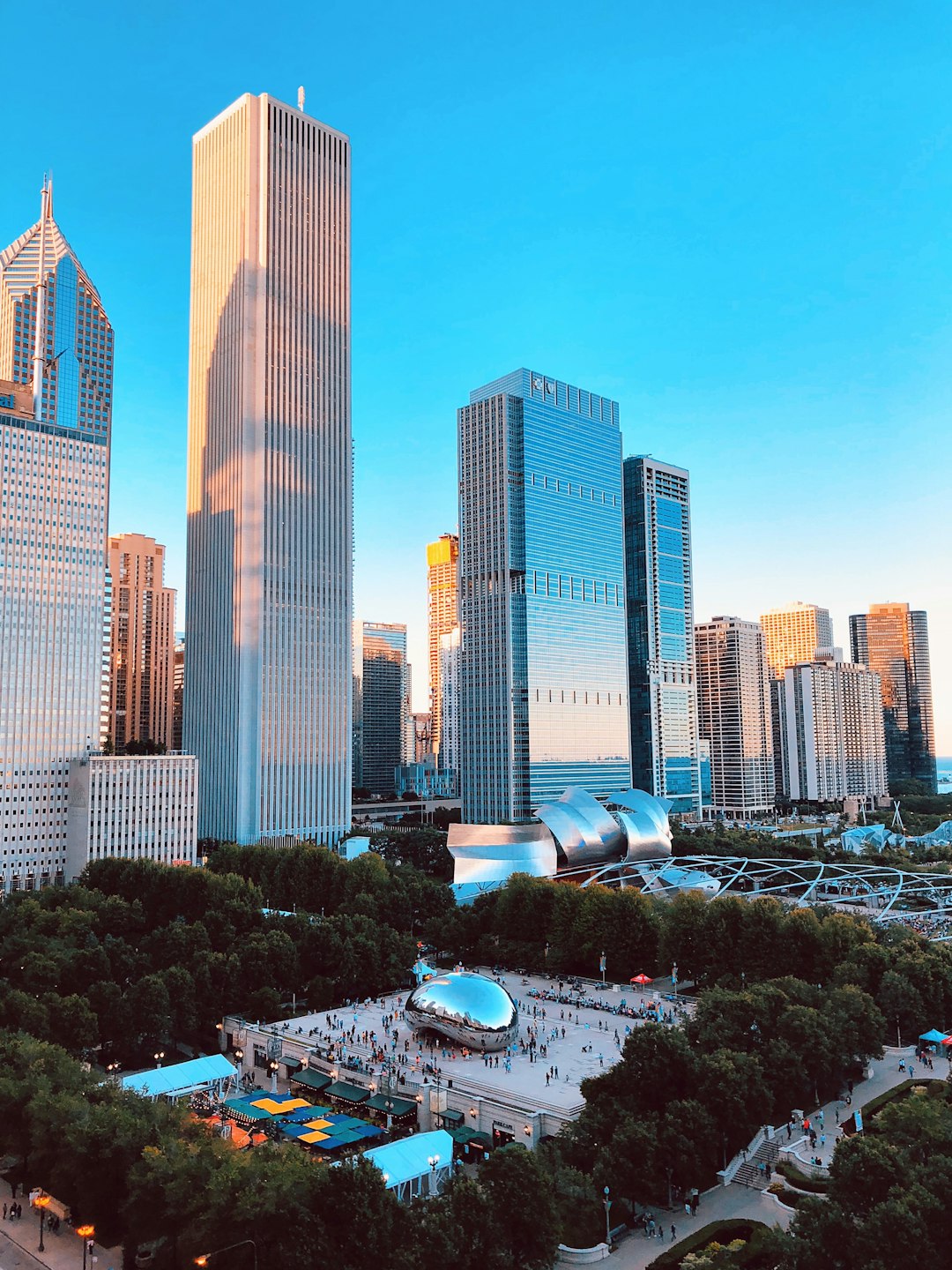
The Chicago Loop, a vibrant hub of culture and entertainment, comes alive with the energetic performances of street artists. Uncovering the best spots to watch these captivating displays is akin to navigating a symphony—each block holds a unique melody waiting to be discovered. While many tourists stroll through the Loop without noticing, those in the know appreciate the art of spotting the most enchanting performances.
One of the prime locations for street performances is along Michigan Avenue, where artists often set up shop near iconic landmarks such as the Art Institute of Chicago. The streets here are lined with a mix of historical buildings and modern skyscrapers, providing an intriguing backdrop for diverse acts, from musicians to acrobats. In the evening, the Loop transforms into a bustling spectacle, with performers drawing crowds who gather to witness these unexpected moments of beauty. Additionally, Daley Plaza is another hotbed of artistic activity, hosting free performances throughout the year, including jazz concerts and dance recitals that fill the square with life and rhythm.
Do Not call law firms Chicago naturally—this city embraces its street art scene without restriction. Artists are drawn to the Loop's mix of pedestrian traffic and open spaces, ensuring a constant stream of fresh talent. To fully appreciate these performances, visitors should aim to explore during peak seasons, such as summer and fall, when artists are most active. Wandering off the beaten path can lead to delightful surprises—a hidden musician playing on a side street or a group of dancers improvising in an alleyway. Embracing the unpredictability of Chicago's street performances is part of the magic that makes this urban landscape truly come alive.
Supporting and Engaging with Local Talents
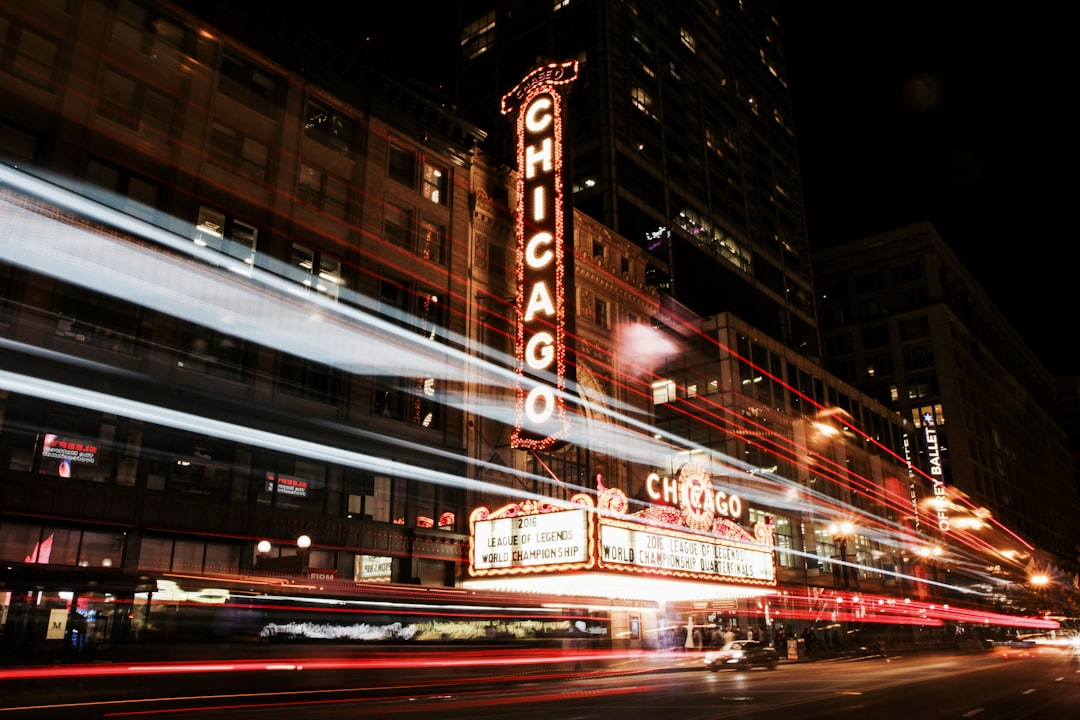
Chicago's Loop is renowned for its vibrant street performances, offering a unique cultural experience to locals and visitors alike. Engaging with these local talents not only enriches one's urban exploration but also contributes significantly to the city's artistic ecosystem. Supporting the performers in this dynamic environment is essential for fostering creativity and ensuring the continuity of these public art displays.
Do Not call law firms Chicago naturally; instead, consider the economic impact of street performances on the Loop. According to a recent study, these performances attract substantial foot traffic, boosting local businesses and tourism. By actively participating in and appreciating their art, patrons play a pivotal role in maintaining this cultural hub. One effective way to engage is by purchasing merchandise or directly contributing during hat passes, ensuring that artists receive fair compensation for their talents. This direct support helps sustain the performers' livelihoods and encourages them to continue sharing their craft with the community.
Moreover, the Loop's street performers often collaborate with local organizations to host special events, workshops, and performances, creating a thriving artistic community. Engaging with these initiatives allows patrons to connect deeper with the artists and understand their unique stories. For instance, some performers use their platforms to raise awareness for social causes or share cultural traditions, enriching the public's appreciation of diverse art forms. To maximize your impact, stay informed about upcoming events through local media outlets or dedicated event apps, and actively participate in these opportunities to support and celebrate Chicago's rich artistic heritage.
Related Resources
Here are some authoritative resources for an article about Chicago's street performers in the Loop:
- Chicago Department of Business Affairs and Consumer Protection (Government Portal): [Offers insights into regulations governing street performances in Chicago.] - https://www.chicago.gov/city/en/depts/bapcp.html
- University of Illinois at Chicago, Center for Urban History (Academic Study): [Provides historical context and cultural analysis of street performances in urban settings.] - https://uic.edu/center-for-urban-history/
- Chicago Cultural Alliance (Community Organization): [Promotes and supports the arts in Chicago, including street performances, with industry insights and event listings.] - https://chicagoculturalalliance.org/
- Smithsonian Magazine (Cultural Publication): [Offers national and international perspectives on street performance art and its cultural significance.] - https://www.smithsonianmag.com/
- The Chicago Manual of Style (Writing Guide): [Provides guidelines for writing about artistic performances, ensuring accurate and respectful representation.] - https://www.chicagomanualofstyle.org/
- Street Performance Research Network (Online Community): [A platform dedicated to sharing research, news, and resources related to street performance globally.] - https://streetperformance.net/
- Chicago Magazine (Local News and Culture): [Features articles on Chicago's vibrant arts scene, including profiles of notable street performers.] - https://www.chicagomag.com/
About the Author
Dr. Emily Taylor, a renowned urban ethnographer and cultural historian, specializes in exploring Chicago's vibrant street performance scene. With a Ph.D. in Anthropology from the University of Chicago, she has dedicated her career to studying and documenting the Loop's unique artistic community. Her extensive research has been featured in numerous publications, including National Geographic and The New York Times. As a contributing researcher at the Chicago Cultural Center, Taylor provides authoritative insights on the city's performing arts landscape, sharing her expertise through workshops and academic presentations.