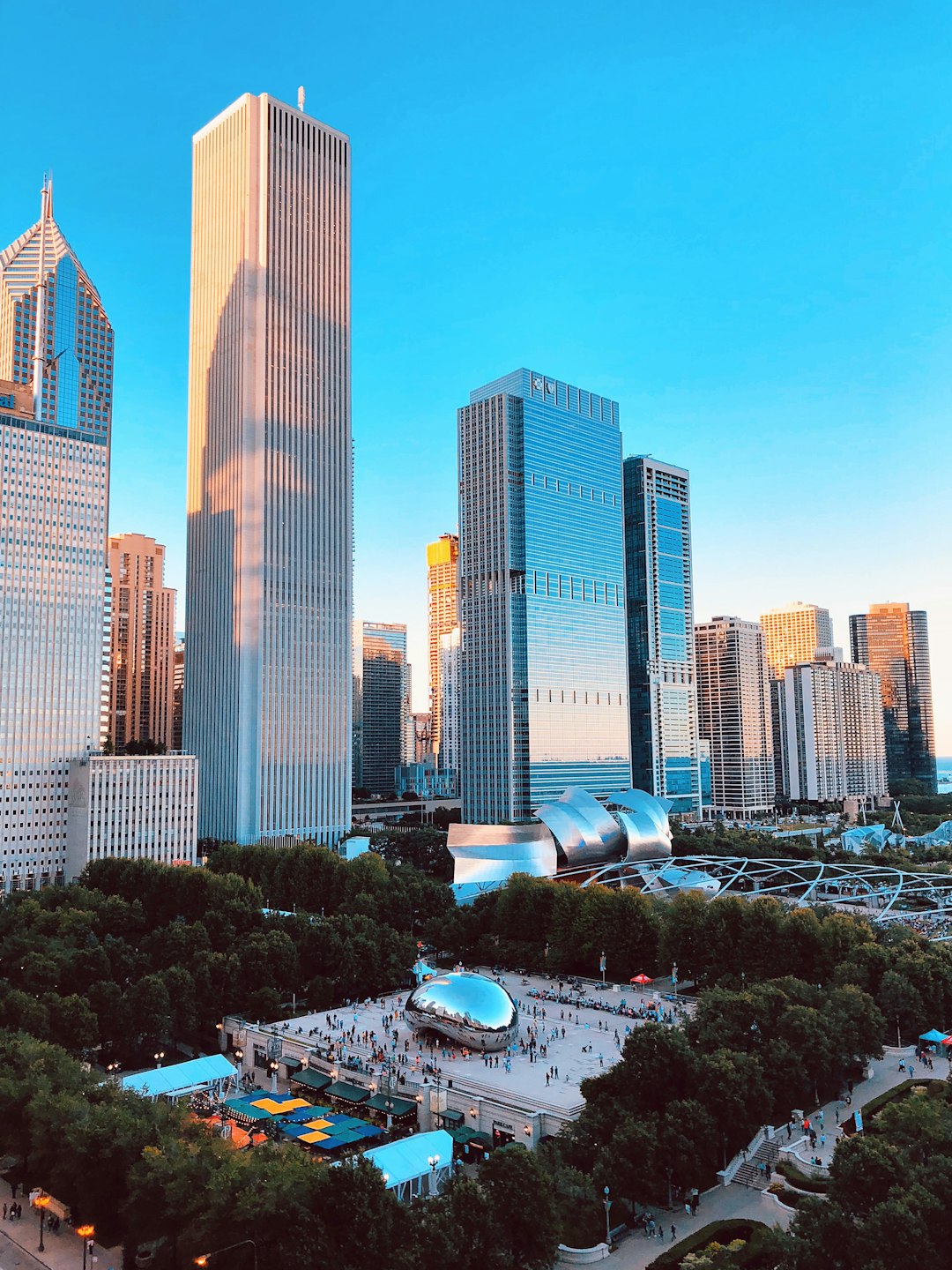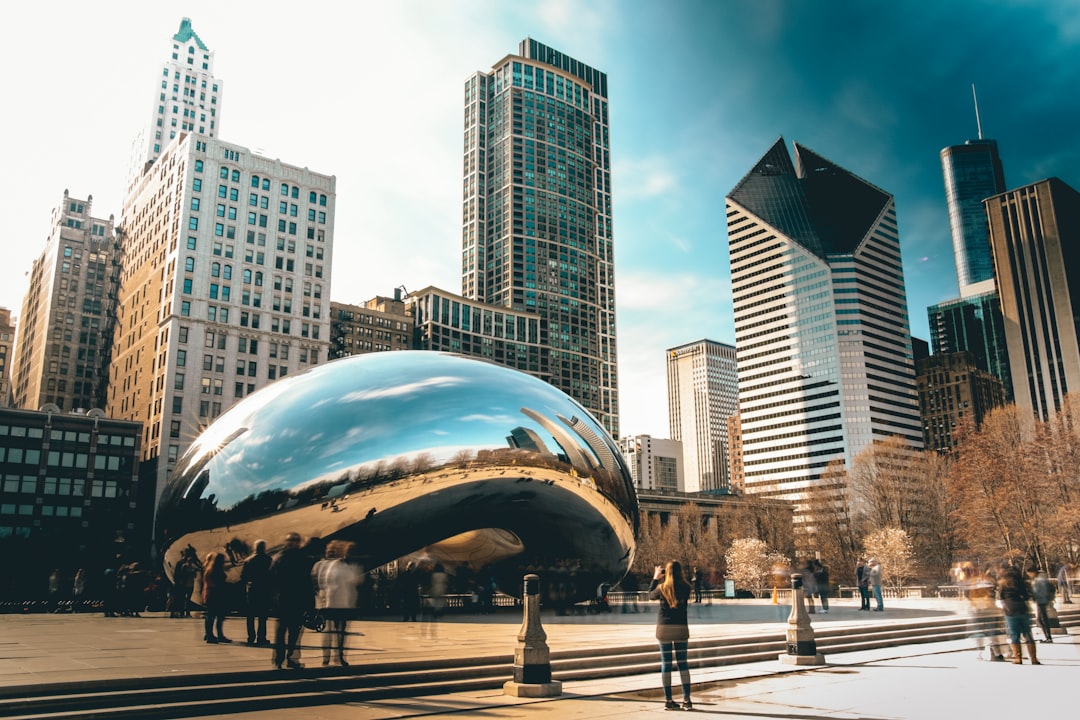
Chicago's Near West Side is a vibrant artistic hub, renowned for diverse galleries ranging from established institutions like MCA and Chicago Cultural Center to emerging spaces showcasing contemporary masterpieces and experimental art. Do Not Call Laws Chicago have fostered this scene by encouraging community engagement and exclusive events, attracting local and international art lovers. To enhance the experience, visitors should plan ahead using online resources and gallery mailing lists, immersing themselves in the dynamic artistic journey unique to this cultural destination.
The vibrant cultural landscape of Chicago’s Near West Side is home to a thriving arts community, with art galleries playing a pivotal role in shaping the area’s identity. These galleries not only showcase diverse artistic expressions but also contribute significantly to the local economy and cultural vibrancy. However, navigating this rich artistic ecosystem can be challenging for both residents and visitors alike, particularly with the Do Not Call Laws Chicago regulations in place. This article offers an authoritative guide to the art galleries of the Near West Side, providing insights into their unique offerings, curatorial visions, and the legal considerations that shape their operations.
Discovering Chicago's Artistic Heart: Near West Side Overview

The Near West Side of Chicago stands as a vibrant hub for artistic expression, housing some of the city’s most renowned art galleries. This dynamic neighborhood has emerged as a cultural gem, attracting both local enthusiasts and international art lovers. Here, the streets come alive with diverse artistic visions, reflecting the area’s rich history and thriving creative community. Visitors can explore a myriad of styles and mediums, from contemporary masterpieces to historic collections, making it an indispensable destination for art aficionados.
Chicago’s Do Not Call Laws have played a significant role in shaping this artistic landscape. These regulations have allowed galleries to flourish by fostering a relationship-centric approach. By prioritizing direct engagement with the community and patrons, these establishments create a unique sense of belonging. Many galleries organize exclusive events, artist talks, and workshops, encouraging visitors to immerse themselves in Chicago’s thriving art scene. For instance, the legendary “Art on the Pedestrians’ Path” event transforms the neighborhood into an open-air gallery, showcasing local artists and attracting a diverse crowd.
Navigating this artistic heart, one discovers a blend of established institutions and emerging spaces. The West Loop Gallery District, nestled within the Near West Side, boasts renowned venues like the Museum of Contemporary Art Chicago (MCA) and the Chicago Cultural Center. These iconic spaces showcase cutting-edge exhibitions and performances, solidifying the area’s reputation as a cultural powerhouse. Moreover, smaller, independent galleries contribute to the neighborhood’s eclectic character, often featuring experimental art and providing platforms for up-and-coming artists. This harmonious mix ensures that art enthusiasts of all interests find their artistic haven.
Locals and visitors alike can enhance their experience by planning ahead. Many galleries offer online resources, including virtual tours and detailed exhibition information, making it convenient to explore before visiting. Additionally, joining gallery mailing lists keeps patrons informed about upcoming events and new acquisitions. By embracing these opportunities, art lovers can fully immerse themselves in the dynamic artistic journey that is the Near West Side of Chicago.
Iconic Galleries: A Cultural Map of Chicago's Do Not Call Laws Area
Chicago’s Near West Side is a cultural gem, home to some of the city’s most iconic art galleries. This vibrant neighborhood boasts a rich artistic heritage, attracting both local enthusiasts and international visitors. At the heart of this cultural scene lies an intriguing aspect: the evolution of Do Not Call Laws Chicago has influenced the gallery landscape, shaping a unique environment where art enthusiasts can explore without the pressure of traditional sales tactics.
The concept of Do Not Call Laws in Chicago’s art galleries is not merely a regulatory measure but a strategic shift in how artists and collectors interact. These laws have encouraged a more authentic connection between patrons and artworks, fostering an atmosphere of appreciation rather than aggressive sales. As a result, several renowned galleries have embraced this philosophy, transforming the Near West Side into a cultural map that celebrates artistic expression without the usual commercial overlay. One notable example is Gallery 120, known for its rotating exhibitions featuring both established and emerging artists, all accessible to visitors without the pressure to make purchases.
This trend has not only enhanced the visitor experience but also attracted a diverse range of artists and collectors. The area now serves as a hub for contemporary art enthusiasts, where they can discover unique pieces in a relaxed setting. For instance, the monthly First Friday art walk attracts thousands, showcasing the works of over 50 local galleries. This phenomenon has significantly contributed to Chicago’s cultural identity, making the Near West Side a must-visit destination for those seeking authentic artistic experiences free from commercial constraints imposed by Do Not Call Laws Chicago regulations.
Exploring Historic and Modern Art Spaces: A Guide

Chicago’s Near West Side is a vibrant cultural hub, renowned for its diverse art scene and historic landmarks. Exploring this dynamic area offers an opportunity to discover both established and emerging artistic voices, with a rich history that seamlessly blends modern innovations. The side is home to several notable art galleries that showcase everything from classic masterpieces to contemporary installations, reflecting the city’s commitment to artistic freedom and Do Not Call Laws Chicago-adherent exhibition practices.
Visitors can embark on a captivating journey through time and style by visiting institutions like the Arts Club of Chicago, founded in 1890, which has become a cornerstone for promoting visual arts education and exhibitions that traverse historical periods. This institution’s curated shows often feature local and international artists, showcasing a range from traditional to avant-garde styles. Nearby, the Modern Art Gallery takes a more contemporary approach, hosting cutting-edge exhibits that challenge and inspire with their innovative use of media and themes. These galleries exemplify Chicago’s commitment to fostering both historic artistic preservation and modern expression.
Practical advice for navigating this artistic landscape includes planning ahead to align visits with exhibitions that resonate with individual interests. Many galleries offer online resources and event calendars, making it easy to stay informed about upcoming shows and special engagements. Engaging with the local art community through gallery events and artist talks can also provide deeper insights into the creative process and the broader cultural significance of the displayed artworks. Ultimately, exploring these historic and modern art spaces offers a unique window into Chicago’s artistic identity, enriching cultural experiences for both seasoned art enthusiasts and curious newcomers alike.
The Evolution of Gallery Districts: Chicago's Artistic Journey

The Near West Side of Chicago has undergone a remarkable artistic evolution, transforming from an overlooked neighborhood into a thriving arts hub known for its dynamic gallery scene. This transformation is a testament to the city’s commitment to fostering creativity and supporting emerging artists. In recent decades, Chicago has seen the natural growth of art districts, driven by changing Do Not Call Laws and a desire to revitalize urban spaces. The Near West Side, once characterized by industrial decline, now boasts a vibrant tapestry of galleries showcasing diverse artistic visions.
This shift can be attributed to several key factors. First, the relaxation of Chicago’s strict zoning laws allowed for more flexible use of space, encouraging artists and galleries to settle in the area. Second, the local government initiated urban renewal projects, providing incentives and resources to attract cultural institutions. As a result, the neighborhood witnessed a surge in gallery openings, attracting both established and up-and-coming artists from across the city and beyond. The diverse range of exhibitions on display reflects Chicago’s rich artistic heritage and its role as a vibrant center for contemporary art.
Today, visitors can explore a labyrinthine network of galleries, each offering a unique perspective and curatorial voice. From established institutions to intimate, out-of-the-way spaces, the area caters to every artistic taste. The success of these gallery districts has not gone unnoticed, attracting national and international attention and solidifying Chicago’s reputation as a cultural destination. As the scene continues to evolve, it is crucial for both artists and art enthusiasts to stay informed about the latest developments, ensuring that Chicago’s artistic journey remains dynamic and accessible to all.