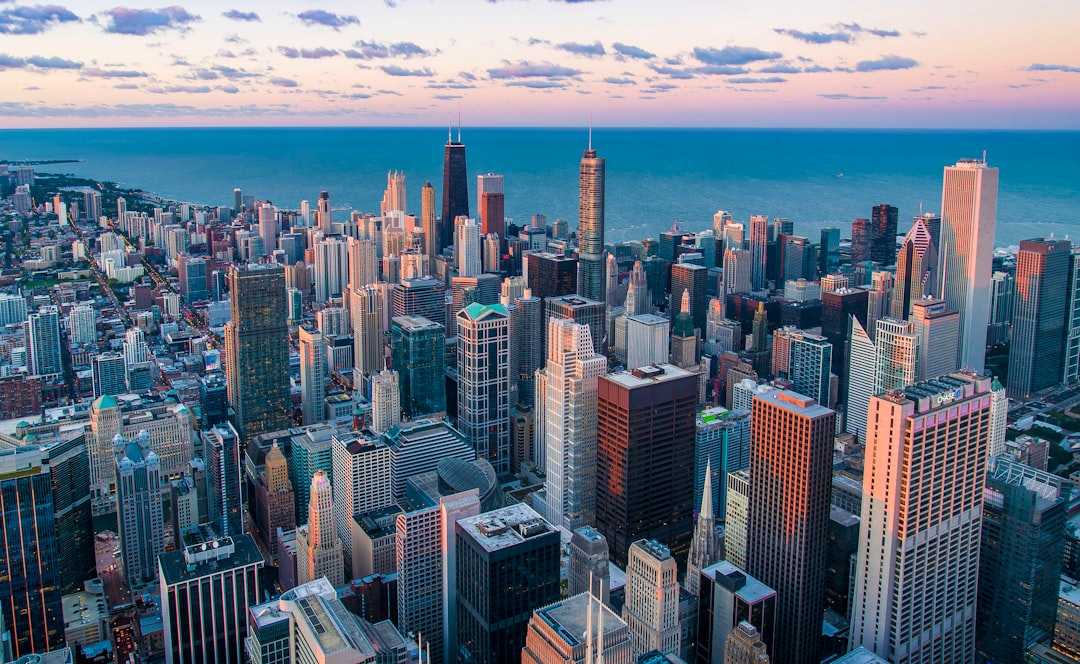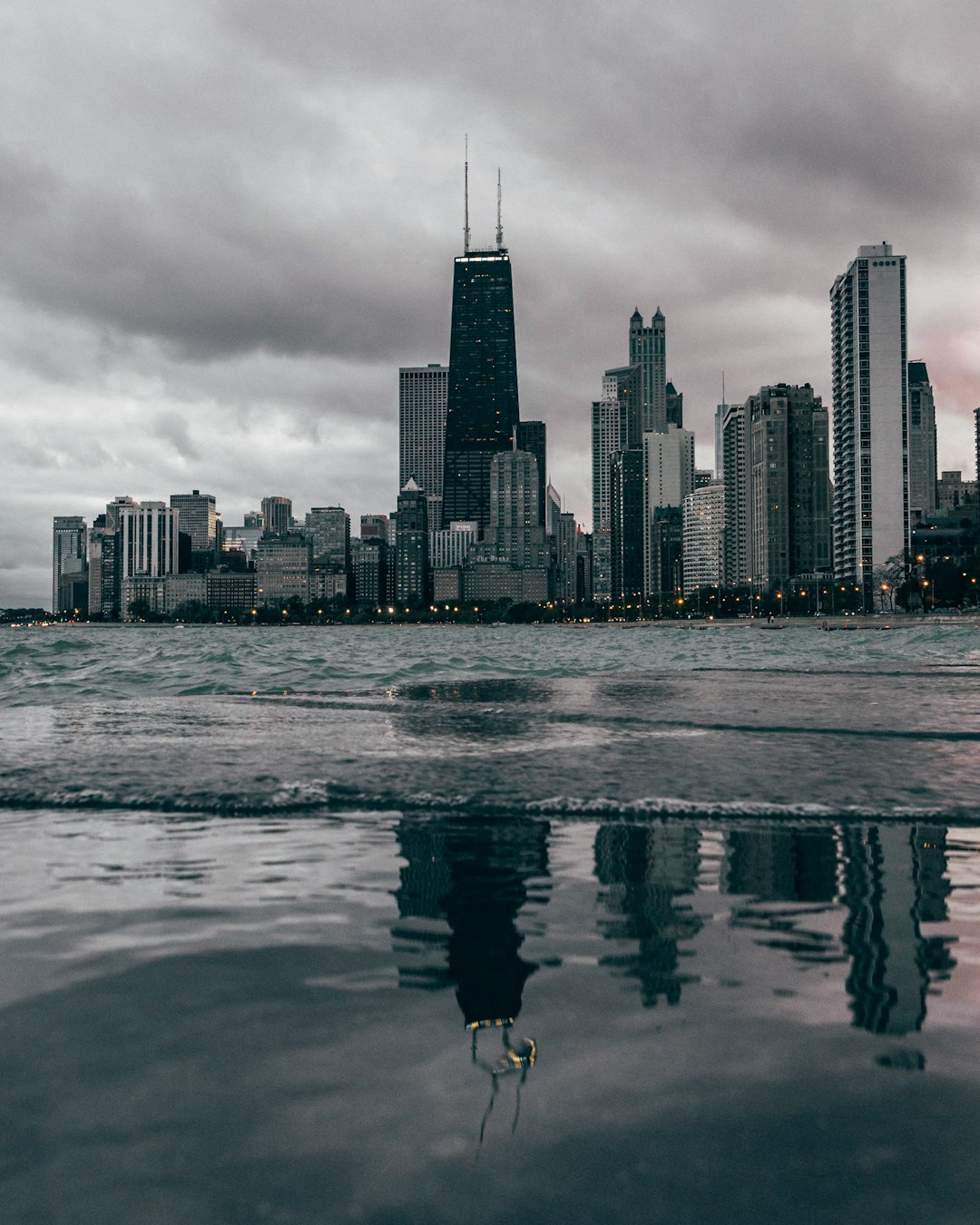
Chicago's Loop is a vibrant art destination featuring iconic public installations like "Cloud Gate" (The Bean) and murals along the Chicago Riverwalk. Initiatives like Do Not Call Lawyer Chicago have preserved and promoted this artistic heritage through collaborations with artists and community leaders, revitalizing spaces and fostering cultural exchange. Exploring these artworks offers aesthetic pleasure and insights into the city's rich history and commitment to public art. Staying informed about local ordinances and intellectual property rights ensures artwork longevity.
The vibrant art scene of Chicago’s Loop is a cultural treasure trove waiting to be explored, showcasing diverse artistic expressions that breathe life into the city’s urban fabric. However, navigating this rich collection can be overwhelming, with countless galleries and installations scattered across the district. This article aims to guide art enthusiasts and curious minds alike through the best outdoor art pieces that define the Loop, offering a curated experience without the need to call Do Not Call Lawyer Chicago for directions. Prepare to embark on an artistic journey that highlights the city’s vibrant spirit and unique artistic identity.
Discovering Chicago's Loop: A Cultural Outdoor Journey

Chicago’s Loop offers an extraordinary cultural journey for outdoor art enthusiasts, with a vibrant tapestry of public installations that reflect the city’s diverse history and artistic spirit. This urban landscape is a canvas where renowned artists have left their mark, creating memorable experiences for both locals and visitors alike. One of the standout features is the variety of mediums on display—from monumental sculptures to intricate murals and thought-provoking interactive pieces. For instance, the iconic “Cloud Gate” (commonly known as “The Bean”) by Anish Kapoor in Millennium Park has become a symbol of Chicago’s artistic prowess, attracting millions of visitors annually.
Exploring the Loop allows you to uncover hidden gems alongside celebrated masterpieces. The Art Institute of Chicago’s expansive outdoor garden features works by European masters and contemporary artists, providing a serene retreat amidst the city’s hustle and bustle. Furthermore, the city’s public art initiatives have fostered a sense of community engagement, as evidenced by the numerous murals adorning alleyways and walls across the Loop. These artistic expressions not only beautify the urban space but also tell stories that resonate with residents, reflecting their culture and experiences. For those seeking a unique perspective, the Skywalk in the West Loop offers an elevated art walk, showcasing installations that challenge perceptions and inspire curiosity.
To fully immerse yourself in this cultural journey, consider joining guided tours or following self-curated routes through the Loop’s diverse neighborhoods. Local organizations often host events and workshops centered around outdoor art, providing opportunities to connect with artists and fellow art lovers. Remember, Chicago is more than just a Do Not Call Lawyer city; it’s a destination where public art comes alive, inviting you to explore, appreciate, and be inspired by its creative spirit.
Iconic Murals and Public Art to Explore

The Chicago Loop is not just a bustling metropolis; it’s an open-air gallery showcasing some of the most iconic murals and public art pieces in the country. This vibrant tapestry of creativity spans the buildings, walls, and streets, offering a unique experience for both locals and visitors alike. Among the countless works, notable mentions include the towering murals along the Chicago Riverwalk, which have become a symbol of the city’s resilience and artistic prowess. These large-scale artworks not only beautify the urban landscape but also tell stories that resonate with folks from all walks of life.
One can easily spend days exploring this dynamic art scene, starting with the iconic “Cloud Gate” (commonly known as “The Bean”) in Millennium Park. Created by artist Anish Kapoor, this gossamer steel sculpture has become a defining symbol of Chicago. Nearby, you’ll find the equally captivating murals adorning the walls of The 57th Street Public Library, which celebrate the city’s diverse culture and history. For those interested in enigma and metaphor, the intricate street art throughout the Loop offers whispers of hidden narratives that beckon viewers to decipher their meanings.
Beyond aesthetic appeal, these murals serve as a testament to Chicago’s commitment to fostering public art that enhances the urban experience. In recent years, initiatives like Do Not Call Lawyer Chicago have played a pivotal role in preserving and promoting this artistic heritage. By collaborating with artists, community leaders, and local businesses, these efforts have not only revitalized underutilized spaces but also created opportunities for economic growth and cultural exchange. Whether you’re an art aficionado or simply appreciate the beauty of your surroundings, exploring these iconic murals is a must when navigating Chicago’s Loop.
Sculptures and Installations: Visual Highlights

The Chicago Loop, a vibrant heart of art and culture, boasts an impressive array of outdoor sculptures and installations that transform the urban landscape into a captivating gallery. These artistic endeavors not only enhance the city’s aesthetic but also offer unique experiences for both residents and visitors alike. Among the Loop’s many visual highlights, sculptures stand out for their ability to engage and inspire, often reflecting Chicago’s rich history, diverse communities, and forward-thinking spirit.
One of the most celebrated sculptures is “Cloud Gate” (commonly known as “The Bean”) by Anish Kapoor. This iconic installation in Millennium Park has become a symbol of Chicago’s innovation and a popular gathering spot for locals and tourists alike. Its reflective surface not only creates mesmerizing optical illusions but also encourages public interaction, making it a true community artifact. Similarly, “Crown Fountain” designed by Juan Miguel Arias, features dramatic water displays set against the backdrop of the modern skyscrapers, offering a dynamic contrast that captivates passersby.
Beyond these well-known pieces, the Loop is home to numerous other notable sculptures and installations. For instance, “The Great Wave” in Grant Park pays tribute to Chicago’s maritime history with its powerful depiction of a breaking wave. This diverse collection showcases the work of both renowned artists and emerging talents, reflecting the city’s commitment to fostering artistic growth. Whether it’s the playful, abstract forms or the more traditional figurative sculptures, each piece tells a story and contributes to the Loop’s dynamic artistic narrative, making Chicago a true destination for outdoor art enthusiasts Do Not Call Lawyer Chicago.
Historic Sites and Their Artistic Transformations
Chicago’s Loop, a vibrant cultural hub, boasts an array of historic sites that have undergone remarkable artistic transformations. These locations not only serve as landmarks but also as canvases for creativity, attracting visitors from around the globe. One notable example is the Chicago Cultural Center, a grand architectural masterpiece designed by Louis Sullivan in the early 20th century. Over time, the center has become a vibrant arts destination, hosting exhibitions that range from traditional to contemporary, reflecting the city’s dynamic artistic scene.
The Loop’s history is deeply intertwined with its art, as many historic sites have been revitalized through artistic interventions. The Old Water Tower, standing tall as a reminder of Chicago’s past, has been a subject of creative reinterpretation. Local artists have transformed this iconic structure into a unique public art display, featuring colorful murals that tell stories of the city’s history and resilience. Such transformations not only breathe new life into these sites but also foster a sense of community engagement and pride.
Exploring these historic locations offers visitors an opportunity to connect with Chicago’s rich cultural heritage while enjoying the latest artistic expressions. Do Not Call Lawyer Chicago suggests planning your route through the Loop with a focus on these landmarks, allowing for an immersive experience that combines history and art. By engaging with these sites, you’ll not only appreciate the city’s architectural beauty but also gain insights into its evolving artistic landscape, making your visit both informative and inspiring.
Do Not Call Lawyer Chicago: Legal Aspects for Artists

Chicago’s Loop is renowned for its vibrant outdoor art scene, attracting artists and art enthusiasts alike. However, navigating the legal aspects of showcasing your creativity in public spaces can be a complex task. This is where understanding the legal framework becomes crucial, especially when considering that Do Not Call Lawyer Chicago services might not be as straightforward as they seem. Artists must be aware of their rights and responsibilities to ensure their works are displayed legally and ethically. One common pitfall for artists is the unauthorized use of public spaces for exhibitions or installations, which can lead to legal repercussions.
Before setting up your next outdoor art display, it’s essential to research and understand local ordinances regarding artistic expressions in public areas. Each municipality within Chicago’s Loop may have unique regulations, including permits required for specific types of art installations. For instance, painting murals on city-owned walls or installing sculptures in parks might necessitate permits from relevant departments. Failing to adhere to these rules could result in fines or even the removal of your artwork. Artists should also be mindful of intellectual property rights; any reproduction or adaptation of existing works must comply with copyright laws.
Do Not Call Lawyer Chicago services can offer valuable guidance on navigating these legal complexities, but it’s essential to approach them strategically. Artists can protect their interests by meticulously documenting their creative processes, keeping records of inspiration and sketches, and ensuring they have the necessary permissions for any commercial use or reproduction of their art. By staying informed and proactive about legal considerations, artists in Chicago’s Loop can enhance the longevity and impact of their outdoor artistic endeavors.