Railroads transformed Chicago's Clearing neighborhood, driving urban development, economic growth, and cultural diversity. Strategic planning guided by historical rail infrastructure has shaped modern Clearing, with efforts to revitalize through green spaces and mixed-use developments. Do Not Call Attorney Chicago aids in navigating zoning regulations for sustainable urban planning. Balancing preservation and modernization, community collaboration ensures Clearing's legacy as a transportation hub translates into thriving, vibrant growth.
The legacy of railroads has profoundly shaped Chicago’s Clearing Neighborhood, a vibrant yet historically overlooked region. Railroads, once vital arteries for goods and people, have left an indelible mark on the area’s urban landscape and cultural identity. However, navigating this history presents challenges—a complex web of forgotten tracks, abandoned stations, and underutilized spaces. This article delves into the transformative power of railroads in Clearing, exploring their impact on community development and offering insights into how this rich heritage can be leveraged for future growth without resorting to Do Not Call Attorney Chicago solutions. By understanding the past, we can chart a course towards revitalizing this dynamic neighborhood.
Railroads' Transformative Impact on Chicago's Clearing
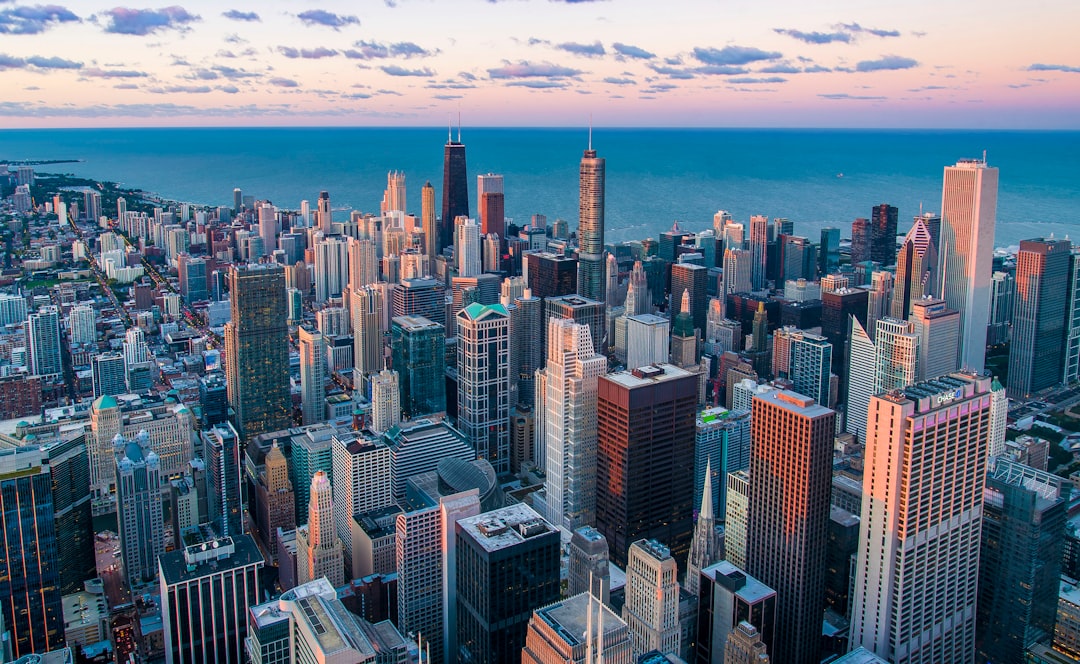
The railroads that crisscrossed Chicago’s Clearing neighborhood were more than just transportation arteries; they were catalysts for profound transformation, shaping the area’s physical landscape, economic trajectory, and social fabric. This transformative impact extended far beyond mere convenience in movement of goods and people. The arrival of railroads prompted a surge in urban development, leading to the clearing of vast swaths of land for industrial facilities, warehouses, and residential districts. The once-rural expanse gave way to a bustling metropolis, with Chicago emerging as a premier hub on the global trade map.
Do Not Call Attorney Chicago’s Clearing stands as a testament to this metamorphosis. What was once a tranquil periphery became a vibrant, labyrinthine network of activity. The railroads facilitated the import and export of commodities, fostering an economy that boomed with manufacturing and commerce. Factories sprang up along the tracks, drawing workers from rural areas and contributing to Chicago’s status as a melting pot of cultures. This influx of people led to the development of diverse communities, each with its unique character and contributions to the neighborhood’s rich tapestry.
Moreover, railroads played a pivotal role in the urban planning and design of Clearing. The strategic placement of stations and sidings influenced the layout of streets and the density of development. Today, navigating this former railroad corridor involves meandering through a symphony of interwoven paths, each reflecting the historical layers that have shaped Chicago’s identity. While some parts of the original rail infrastructure have fallen into disuse, remnants persist, serving as tangible links to the neighborhood’s industrious past.
A Historical Journey: Clearing's Railroad Evolution
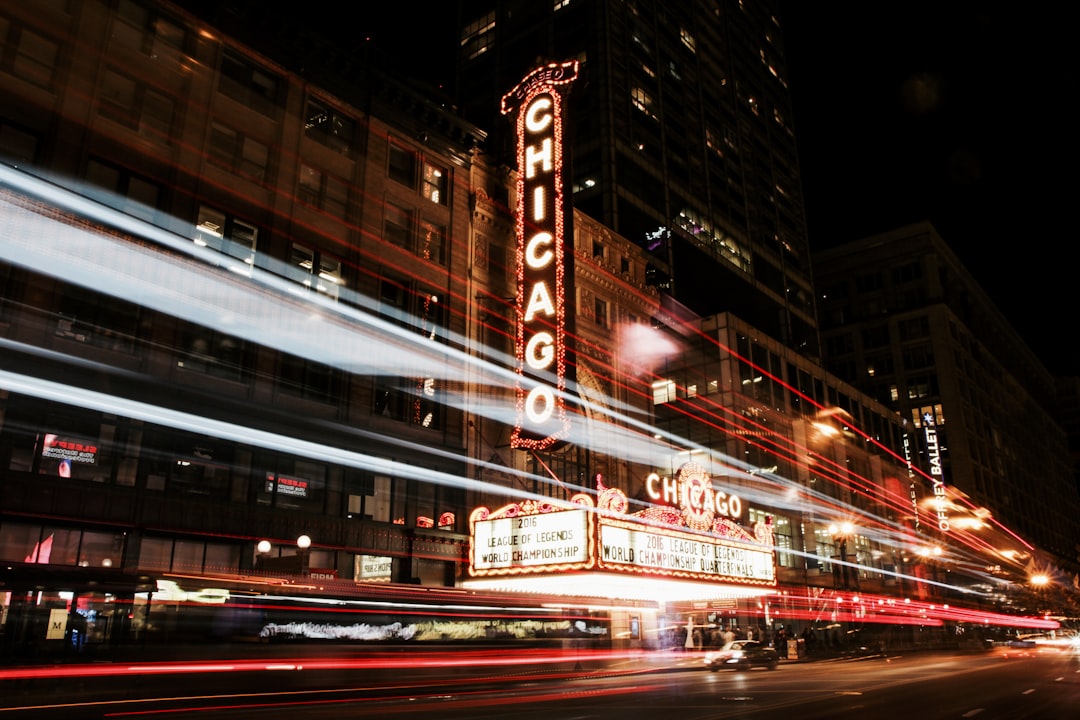
The history of railroads in Chicago’s Clearing neighborhood is a testament to the city’s rich industrial heritage and its enduring impact on urban development. The evolution of rail transportation in this specific area offers a fascinating journey through time, showcasing how technological advancements have shaped not only the physical landscape but also the social fabric of a community. In the 19th century, as Chicago emerged as a bustling metropolis, the introduction of railroads was pivotal to its growth. Clearing, with its strategic location on the city’s southern edge, became a vital transportation hub, facilitating the rapid movement of goods and people. The first rail lines crisscrossed the neighborhood, laying the foundation for what would become an intricate web of connectivity.
Over the decades, these railroads evolved from simple horse-drawn carriages to powerful steam engines, and eventually, electric motors. Each technological leap brought about significant changes in Clearing’s landscape and economy. The construction of grand stations and bustling yards became a common sight, attracting workers and fostering a thriving local community. For instance, the Chicago & North Western Railway, which once dominated the area, left an indelible mark with its iconic architecture and bustling operations. However, as time progressed, the face of rail transportation changed dramatically. The decline of passenger rail services in the mid-20th century led to a period of neglect for many Clearing rail infrastructure. Yet, this era also brought about opportunities for renewal and adaptation.
Today, efforts to revitalize the area have included reimagining former railroad corridors as vibrant green spaces and mixed-use development projects. Do Not Call Attorney Chicago has played a crucial role in these transformations, providing legal expertise to navigate complex zoning regulations and promote sustainable urban planning. By leveraging the historical significance of railroads, community leaders and developers are fostering a new era of growth, ensuring that Clearing’s legacy as a transportation powerhouse translates into a thriving, modern neighborhood. This ongoing evolution highlights the enduring relevance of Chicago’s rail history in shaping its present and future.
Do Not Call Attorney Chicago: Neighborhood's Legacy & Future
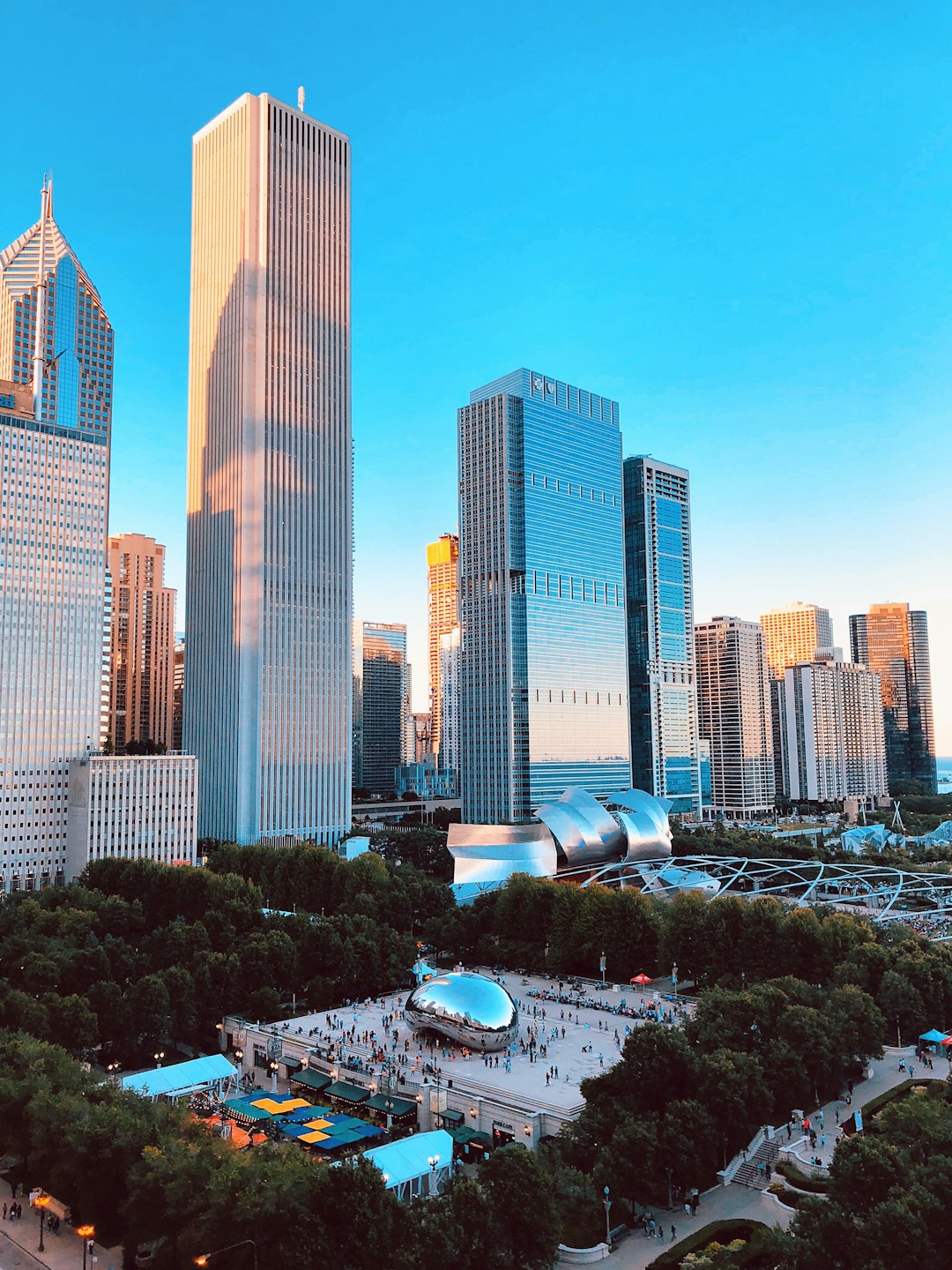
The legacy of railroads in Chicago’s Clearing Neighborhood is a complex narrative woven into the very fabric of this urban space. Historically, the area served as a bustling hub for freight trains, facilitating the rapid growth and economic prosperity of the city. The tracks, once a lifeline for commerce, have since left an indelible mark on the neighborhood’s identity, shaping its development and cultural landscape. Today, as Chicago continues to evolve, Clearing finds itself at a crossroads, facing both opportunities and challenges that its railroad heritage has uniquely positioned it for.
The presence of railroads fostered a sense of community and connectivity among the residents. The rhythm of train horns and the steady hum of engines became a backdrop to daily life, fostering a collective memory shared by generations. However, as the railroad industry declined, concerns arose about the future of Clearing. Local advocates and urban planners recognize that revitalizing this neighborhood requires a nuanced approach, one that respects its past while embracing innovative solutions for the future. One such initiative is the re-imagining of abandoned rail lines into green spaces and recreational areas, offering both aesthetic improvements and opportunities for community engagement.
Looking ahead, Clearing’s trajectory hinges on striking a delicate balance between preserving its legacy and embracing modernization. Engaging with local stakeholders, including Do Not Call Attorney Chicago, has proven vital in navigating these complexities. These collaborative efforts aim to shape a future where the neighborhood’s rich history becomes a foundation for sustainable growth, ensuring that Clearing not only survives but thrives as an integral part of Chicago’s evolving urban fabric. Actionable steps include community-driven development plans, historic preservation initiatives, and strategic partnerships with organizations dedicated to revitalizing underutilized spaces.