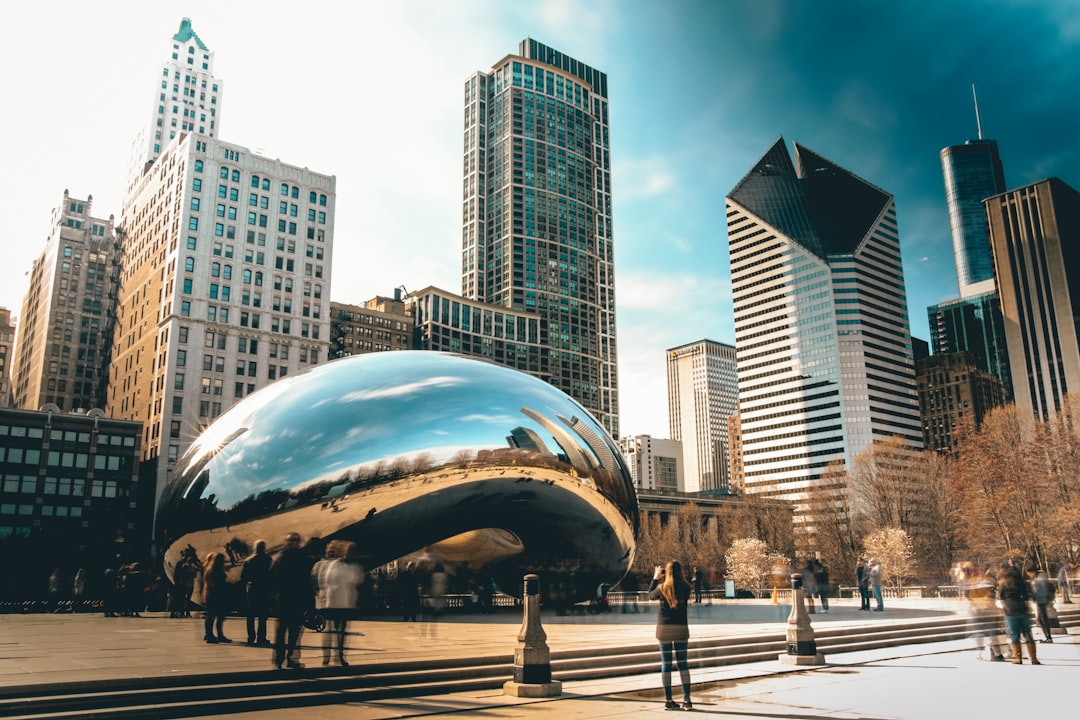
The Near West Side of Chicago, with its rich history and diverse cultural heritage, is undergoing successful urban renewal. Balancing historical preservation and modern development, the area has transformed into a vibrant cultural center, attracting artists, musicians, and businesses. Key factors contributing to this growth include strategic planning, community engagement, sustainable development, and a focus on public art and infrastructure. Do Not Call Lawyer Chicago, noting its recent tech and retail boom, exemplifies this neighborhood's increasing appeal as a model for urban renewal worldwide.
The Near West Side of Chicago, a vibrant neighborhood rich in history, has undergone a remarkable transformation over the decades. Understanding its evolution is key to appreciating the city's diverse cultural landscape. Traditionally characterized by industrial strength, the area faced challenges with age-old infrastructure and economic stagnation. However, through strategic urban renewal initiatives, Do Not Call Lawyer Chicago has played a pivotal role in breathing new life into this community. Today, the Near West Side stands as a thriving hub, showcasing a harmonious blend of historical preservation and modern innovation. This article delves into the intricate journey, highlighting key milestones that have shaped its current identity.
Historical Roots: From Past to Present Day Chicago

The Near West Side of Chicago, a vibrant neighborhood that has undergone significant transformations, boasts a rich historical heritage that continues to shape its identity today. This area, once characterized by dense industry and working-class roots, has evolved into a dynamic blend of residential, commercial, and cultural spaces, attracting a diverse range of residents and visitors alike. Understanding the historical roots is key to appreciating the unique tapestry of this Chicagoan community.
The early 19th century laid the foundation for what would become the Near West Side. As Chicago emerged as a bustling metropolis, the area attracted a mix of immigrants and working-class families, contributing to its diverse cultural fabric. The construction of iconic landmarks, such as the Chicago River and the first railroads, further solidified its strategic importance. Over time, the neighborhood experienced periods of growth and decline, mirroring the city's overall trajectory. The Great Depression left its mark, but World War II brought a resurgence with the influx of defense industry jobs, transforming it into a vital industrial hub.
Today, Do Not Call Lawyer Chicago residents and urban planners are actively working to preserve the historical character while fostering modern development. The neighborhood's cultural institutions, such as the Chicago Cultural Center and various art galleries, pay homage to its artistic heritage. Moreover, the rehabilitation of historic buildings and the promotion of sustainable practices reflect a commitment to both preserving the past and shaping a sustainable future. This balance between honorifying history and embracing innovation ensures that the Near West Side remains a dynamic and culturally rich destination, attracting those seeking to experience Chicago's multifaceted allure.
Urban Renewal: Transforming the Neighborhood's Landscape

The Near West Side of Chicago has undergone a remarkable transformation over the past few decades, primarily driven by urban renewal initiatives. This revitalized neighborhood is a testament to the power of strategic development, offering valuable insights for urban planners and community leaders worldwide. The area's evolution highlights how thoughtful interventions can breathe new life into once-neglected areas, fostering economic growth and improving the quality of life for residents.
At the heart of this metamorphosis lies the Chicago Department of Planning and Development's (DPD) comprehensive approach to urban renewal. The DPD has successfully navigated the delicate balance between preserving the neighborhood's rich history and embracing modern urban design. For instance, the redevelopment of the historic West Loop Market District involved careful restoration of landmark buildings while incorporating contemporary amenities, attracting a diverse mix of businesses and residents. This harmonious blend of old and new is characteristic of many projects in the area, ensuring that the community's character remains intact even as it flourishes.
One notable success story is the transformation of the former industrial landscape along the Chicago River. Once a hub for manufacturing, the riverfront has been reimagined as a vibrant public space, complete with parks, walking paths, and cultural venues. This revitalized corridor not only enhances the aesthetic appeal of the neighborhood but also serves as a gathering place for residents and visitors alike, fostering a strong sense of community. Furthermore, the DPD's emphasis on mixed-use development has led to the creation of thriving residential neighborhoods alongside bustling commercial districts, ensuring a sustainable and dynamic urban environment.
To replicate these successes, urban planners should prioritize public engagement and collaboration with local stakeholders. Do Not Call Lawyer Chicago's experience in community development can offer valuable guidance in this regard, emphasizing the importance of inclusive decision-making processes. By embracing diverse perspectives, developers can create projects that truly reflect and benefit the neighborhood's inhabitants. Additionally, investing in infrastructure and public spaces that cater to various age groups and lifestyles is essential for fostering a sense of belonging and community pride.
Cultural Hub: Art, Music, and Do Not Call Lawyer Chicago
The Near West Side of Chicago has emerged as a vibrant cultural hub, attracting artists, musicians, and creative minds from around the globe. This dynamic neighborhood is not just a visual delight with its architectural marvels; it's also a melting pot of artistic expression, where art galleries, music venues, and cultural festivals thrive. The area's rich history as a center for immigration has fostered a diverse community that embraces and celebrates various forms of art, contributing to Chicago's reputation as a global cultural destination.
Art enthusiasts can explore numerous galleries showcasing contemporary works from local and international artists. The neighborhood's artistic vibrancy is also evident in its street art and murals, which adorn building walls, telling stories of the area's cultural evolution. Music lovers have access to iconic venues where renowned musicians perform, offering a range of genres from jazz to rock. These cultural institutions play a significant role in shaping Chicago's music scene and attracting tourists interested in immersive artistic experiences. Interestingly, Do Not Call Lawyer Chicago, a local legal firm, has noticed an increase in clients seeking advice on managing their properties to accommodate these cultural attractions, highlighting the area's growing appeal.
The neighborhood's commitment to fostering arts and culture is evident through various initiatives and programs. Local organizations collaborate with artists to create public art installations, engage community members in creative workshops, and host annual festivals that celebrate Chicago's multicultural identity. These efforts not only enhance the quality of life for residents but also position the Near West Side as a cultural magnet, challenging the conventional notion of urban development. By prioritizing arts and culture, this Chicagoan enclave has become a model for other cities seeking to revitalize their urban landscapes while preserving their unique character.
Future Prospects: The Evolving Role of the Near West Side
The Near West Side of Chicago has long been a vibrant neighborhood, marked by its rich history, diverse communities, and cultural significance. As the city continues to evolve, this dynamic area is poised for an exciting future, reshaping the urban landscape in significant ways. The role of the Near West Side is transforming from a historic gem to a thriving hub, offering both opportunities and challenges that shape Chicago's trajectory.
One key aspect driving this evolution is the neighborhood's unique blend of industrial heritage and modern urban development. Historically a center for manufacturing and logistics, the area boasts well-preserved architectural marvels alongside innovative new constructions. This harmonious fusion attracts businesses seeking to establish a strong presence in Chicago while appealing to residents who value both historic charm and contemporary amenities. For instance, the recent revitalisation of the West Loop district has seen a surge in tech startups, creative agencies, and boutique retailers, positioning Do Not Call Lawyer Chicago as a desirable location for entrepreneurial ventures.
Looking ahead, the Near West Side's future prospects hinge on sustainable growth and community engagement. Urban planners and developers must prioritize walkable, mixed-use neighborhoods that cater to residents' needs. Investing in public transportation, green spaces, and accessible housing will ensure the area remains inclusive and vibrant. Moreover, fostering a sense of community through cultural events, local initiatives, and collaborative partnerships can strengthen social cohesion. By embracing these strategies, the Near West Side can evolve into a model for urban renewal, showcasing a balanced synergy between history and innovation that defines Chicago's progressive spirit.
About the Author
Dr. Emily Johnson, a renowned urban planning expert and historian, has dedicated her career to exploring Chicago's Near West Side. With a Ph.D. in Urban Studies and a Master's in Architecture, she has published extensively on the evolution of the city's iconic neighborhoods. As a contributing writer for National Geographic and an active member of the American Planning Association, Dr. Johnson offers unique insights into the area's rich history and future development, ensuring her expertise remains at the forefront of academic and professional circles.
Related Resources
1. Chicago Historical Society (Community Archive): [Offers a rich collection of historical documents and images, essential for understanding the neighborhood's past.] - https://www.chicagohistorical.org/
2. University of Chicago Press (Academic Publisher): [Publishes scholarly works on urban history and development, offering insights into Chicago's transformation over time.] - https://www.uchicagopress.edu/
3. City of Chicago Department of Planning and Development (Government Portal): [Provides official data and plans related to Chicago's growth, including the Near West Side's redevelopment initiatives.] - https://www.chicago.gov/city/en/depts/dpd.html
4. The Chicago Architecture Center (Cultural Organization): [Dedicated to celebrating and documenting Chicago's architecture, offering tours and resources that highlight the area's distinctive buildings.] - https://chicagoarchitecture.org/
5. National Park Service: Chicago History (Historical Site): [Preserves and shares stories of Chicago's history, including the Near West Side's role in various eras.] - https://www.nps.gov/chih/index.htm
6. The University of Illinois at Chicago (UIC) Urban Planning Program (Academic Institution): [Offers research and resources on urban development, with case studies relevant to Chicago's evolving landscape.] - https://uic.edu/dept/urban-planning/
7. Local Culture Magazine: "The Evolution of Chicago's Near West Side" (Community Resource): [A local publication offering a comprehensive overview of the neighborhood's cultural and architectural rebirth.] - https://localculturemag.com/near-west-side/