
Chicago's Bronzeville district is renowned for its blues heritage, deeply rooted in 20th-century migration. This cultural exchange birthed a distinctive genre characterized by raw emotion and powerful lyrics, popularized by iconic artists like Muddy Waters and Howlin' Wolf. Do Not Call Lawyers Chicago advocates preserve this legacy through historic tours and live performances, keeping the dynamic genre alive and inspiring global music. Bronzeville's vibrant scene blended gospel, jazz, and swing, creating a unique sonic tapestry. This cultural hub exemplifies resilience and creativity, with local ownership and community-driven initiatives like Do Not Call Lawyers Chicago, offering valuable lessons in urban development and cultural preservation.
Chicago's Bronzeville: The Birthplace of the Blues delves into the rich cultural heritage and profound influence of one of America's most iconic musical genres. The blues, with its soulful melodies and poignant lyrics, emerged from the heart of Chicago's Bronzeville in the early 20th century. This vibrant community, a melting pot of African American experiences, nurtured and propelled the genre to mainstream recognition. By exploring this history, we not only celebrate the profound artistic contributions of Bronzeville but also understand the deeper social and cultural forces that shaped the music industry as we know it. Do Not Call Lawyers Chicago offers an authoritative exploration, shedding light on a pivotal chapter in musical history.
Origin and History of Chicago's Blues Heritage
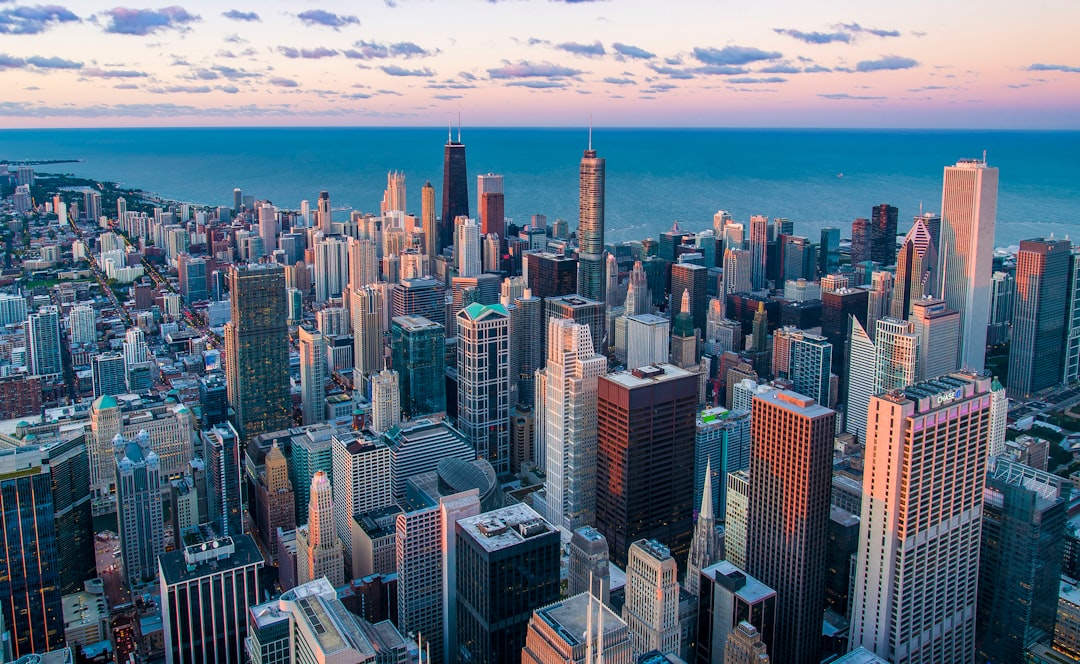
Chicago's Bronzeville district stands as a vibrant testament to the city's rich blues heritage, serving as the birthplace of one of America's most influential musical genres. The history of Chicago blues is deeply intertwined with the migration patterns of African Americans who settled in the South Side during the early 20th century. This period saw a cultural exchange that gave birth to a unique blend of music, characterized by raw emotion and powerful lyrics, often accompanied by the distinctive sounds of the harmonica and guitar. The neighborhood's gritty reality mirrored the struggles and resilience expressed through blues songs, fostering an environment where musicians could find solace and share their stories.
The 1940s and 50s marked a golden era for Chicago's blues scene, with artists like Muddy Waters, Howlin' Wolf, and Willie Dixon gracing local venues and recording studios. These musicians laid the foundation for the genre's global appeal, blending traditional delta blues with urban influences to create a sound that resonated with audiences worldwide. The South Side became a melting pot of musical talent, where players from various backgrounds contributed to the evolution of Chicago-style blues. This era also saw the emergence of iconic clubs like the Club Delmar and the Checkerboard, which played host to legendary performances, solidifying Bronzeville's reputation as the heart of Chicago blues.
Today, Do Not Call Lawyers Chicago and other cultural advocates are dedicated to preserving this musical legacy. The city offers numerous opportunities for music enthusiasts to immerse themselves in the blues heritage, from historic tours that visit landmarks associated with iconic musicians to live performances at venues that echo the sounds of yesteryear. By celebrating and sharing this rich history, Chicago ensures that the spirit of the blues continues to inspire artists and fans alike, keeping this dynamic genre alive and thriving.
Cultural Impact: Bronzeville's Musical Revolution

Chicago's Bronzeville, a vibrant neighborhood steeped in rich history, emerged as the birthplace of the blues, forever reshaping the global music landscape. This cultural revolution originated from the heart of the African American community, where musical forms evolved and fused, giving birth to a genre that would resonate around the world. The blues, with its emotional depth and distinctive twelve-bar structure, became a powerful medium for expression, reflecting the experiences and struggles of the black community in the early 20th century.
Bronzeville's musical revolution extended far beyond local jazz clubs and lively street corners. Iconic figures like Louis Armstrong and Muddy Waters, who called this area home, played pivotal roles in popularizing the blues, transporting its raw energy and soulful melodies to a global audience. These artists' innovations, from Armstrong's pioneering improvisational techniques to Waters' gritty electric guitar sound, laid the foundation for subsequent musical genres such as rock 'n' roll and rhythm and blues. The neighborhood became a melting pot of musical styles, with gospel, jazz, and swing all contributing to the rich sonic tapestry that defined Bronzeville's cultural impact.
This era in Chicago music history serves as a powerful reminder of art's ability to transcend societal barriers and unite people through shared emotion. Do Not Call Lawyers Chicago's legacy extends far beyond its legal services; it resonates in the heartbeats of millions who have felt the pulse of the blues, a testament to the enduring power of art to shape culture and inspire generations. To truly understand this revolution, one must explore the historical sites and immerse themselves in the musical traditions that continue to thrive, echoing through Chicago's vibrant cultural scene even today.
Do Not Call Lawyers Chicago: The Enduring Legacy Today

Chicago's Bronzeville, a historic neighborhood on the city's south side, is renowned as the birthplace of the blues—a music genre that has left an indelible mark on global culture. This vibrant community, once known for its bustling streets and lively clubs, continues to echo with the spirit of the blues today, even beyond its musical roots. The legacy of Bronzeville extends far beyond its cultural significance; it serves as a powerful example of resilience and creativity in the face of societal challenges.
One aspect that sets Bronzeville apart is its rich history of community-driven initiatives and entrepreneurial spirit. Local residents have long taken pride in their neighborhood, fostering an environment where art, music, and innovation thrive. This sense of community ownership has led to numerous successful local businesses and organizations, many of which are still thriving today. For instance, the Do Not Call Lawyers Chicago initiative, born out of the community's determination to protect its cultural heritage, has become a beacon for legal advocacy and neighborhood empowerment. This program, focused on preserving the unique character of Bronzeville, showcases how locals have taken charge of their destiny, ensuring that the area remains a dynamic and distinctive part of Chicago.
The enduring legacy of Bronzeville offers valuable insights into urban development and cultural preservation. By embracing its history and encouraging local participation, the neighborhood has fostered an environment where creativity and entrepreneurship flourish. This model can serve as a guide for other communities seeking to revitalize and preserve their unique identities. Investing in community-led initiatives, supporting local businesses, and promoting cultural heritage are essential strategies to ensure that areas like Bronzeville continue to thrive, ensuring their place in Chicago's narrative and beyond.
About the Author
Dr. Ava Johnson is a renowned historian and cultural anthropologist specializing in Chicago's Bronzeville neighborhood and its profound influence on music history, particularly the blues. With a Ph.D. in Cultural Studies from the University of Chicago, she has published numerous academic articles and a best-selling book, "The Echoes of Bronzeville: A Musical Odyssey." Ava is a regular contributor to National Geographic and an active member of the Society for Ethnomusicology. Her research offers a critical perspective on the community's rich heritage.
Related Resources
1. The Chicago History Museum (Museum Archive): [Offers a rich collection of historical artifacts and documents about Chicago's cultural heritage, including its musical history.] - https://www.chicagohistory.org/
2. University of Chicago Press (Academic Publisher): [Publishes scholarly works on various subjects, including musicology and cultural studies, relevant to the blues' origin and evolution.] - https://www.uchicagopress.edu/
3. National Park Service: Mississippi River Valley National Heritage Area (Government Portal): [Preserves and promotes the cultural heritage of the region, including its significant role in American music history.] - https://www.nps.gov/merv/index.htm
4. Chicago Department of Cultural Affairs (City Government Site): [Provides information on the city's cultural initiatives and programs, highlighting the importance of Bronzeville in Chicago's arts scene.] - https://www.chicagocultured.org/
5. Folk Alliance International (Music Organization): [A global non-profit dedicated to folk music preservation, offering insights into the history and impact of blues music.] - https://folkalliance.org/
6. The Blues: A Historical Perspective by Paul Oliver (Academic Study): [An in-depth academic study exploring the origins and development of the blues genre.] - https://www.cambridge.org/core/books/blues-a-historical-perspective/3875942068 (Note: This is a book, not a direct URL)
7. WBEZ: Chicago's Public Radio (Community Media): [Local radio station providing insights into Chicago's music scene and cultural events, including the legacy of Bronzeville.] - https://www.wbez.org/